Guide
How to Clean a Keg
Rinsing a keg takes two minutes and misses the four places beer actually hides.
The short answer
To clean a corny keg properly: rinse immediately after emptying, pull both posts and the dip tubes, remove the lid O-ring, soak everything in warm alkaline brewery wash for 20-30 minutes, brush the keg interior and tube bores, rinse, then fill with no-rinse sanitizer and push it out with CO2.
DisclosureWe earn a commission on qualifying purchases made through links on this page, at no extra cost to you. It does not change what we recommend or how we rank it -- here is how we pick and here is the full disclosure.
What comes off a corny keg, and what hides there
| Part | Remove it? | What hides there |
|---|---|---|
| Gas post | Yes, every clean | Poppet and spring, beer film |
| Liquid post | Yes, every clean | Poppet, spring, yeast |
| Liquid dip tube | Yes, every clean | Trub and hop debris in the bore |
| Gas dip tube | Yes, periodically | Beer that backed up the gas line |
| Lid O-ring | Yes, every clean | Film under the ring, in the groove |
| Post O-rings | Inspect, replace yearly | Cracks that leak gas |
| PRV | Inspect | Sticky residue that stops it sealing |
| Keg interior | Brush it | Beerstone on the walls and base |
Step one
Rinse it empty, immediately
The single biggest determinant of how hard a keg is to clean is how long the last pint sat in it. Fresh beer residue rinses out with warm water. The same residue after two weeks in a warm garage is a dried film that needs a soak and a brush.
So when the keg blows, disconnect it and rinse it that day: fill and dump a couple of gallons of warm water, and push a little through the liquid post so the dip tube is flushed too. Thirty seconds then saves thirty minutes later.
Step two
Take it apart -- all of it
This is the step that separates a clean keg from a keg that looks clean. Pull both posts with a post wrench or a 11/16 and 7/8 socket. Underneath each one sits a poppet valve and a spring, both of which collect a surprising amount of beer film and neither of which gets touched by anything you pour into the keg.
With the posts off, the dip tubes lift out. The long one is the liquid tube and its bore holds whatever trub and hop matter the beer deposited on its way out. The short one is the gas tube, and it is worth pulling periodically because beer backs up into it whenever a keg gets jostled.
Then the lid. Pop the O-ring out of its groove and look at the groove: a ring of film sits under there on nearly every keg, invisible while the ring is in place, and it is a reliable source of mystery infections -- corny keg sizes and parts identifies each piece.
Step three
Soak in alkaline wash
Mix alkaline brewery wash at roughly an ounce per gallon in water as warm as your tap gives you -- these cleaners work substantially better warm than cold. Fill the keg, drop the lid and all the small parts in, and leave it twenty to thirty minutes.
Alkaline non-caustic wash is the right chemistry here because it lifts protein and beerstone off stainless without attacking silicone gaskets or burning skin. Household dish soap is not a substitute: it leaves a film that kills head retention for months afterwards.
After the soak, brush the keg interior -- the base and the weld seam especially -- and run a small brush through both dip tube bores. Then rinse thoroughly, inside and out, posts and all -- best homebrew cleaners and sanitizers compares the chemistries.
Step four
Reassemble, then sanitize
Put the dip tubes back in the right holes -- long tube to the liquid post side, short to the gas side -- fit the post O-rings, and tighten the posts snug rather than hard. Over-tightening deforms the O-ring and that is a leak.
Now sanitize. Mix no-rinse acid sanitizer at an ounce per 5 gallons, fill the keg to the brim, seal the lid, and leave it a couple of minutes. Then connect CO2 to the gas post and push the sanitizer out through the liquid post.
That single move does two jobs: it sanitizes every internal surface the liquid touches, including both dip tubes and the posts, and it leaves the keg full of CO2 rather than air, so it is already purged and ready for a closed transfer -- closed transfer to keg.
On a cadence
What to do when
- Every keg, every time: rinse at empty, full teardown, alkaline soak, brush, sanitize.
- Every couple of weeks of service: clean the draft lines and faucets. A spotless keg on a neglected line still pours a bad pint -- best beer line cleaning kits.
- Yearly: replace all the O-rings -- lid, both posts, both dip tubes. They are inexpensive, they harden with age, and a hardened lid ring is the most common slow CO2 leak there is.
- On a used keg: assume nothing. Strip it fully, soak it twice, inspect the interior for beerstone, and replace every gasket before its first fill.
What we recommend
The products on this page
Entry tier
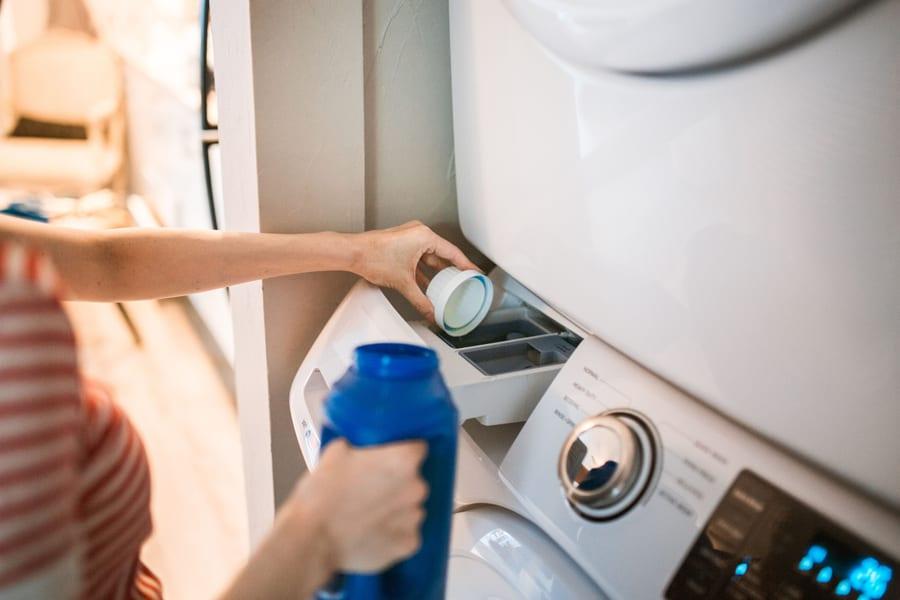
Five Star PBW Alkaline Brewery Wash
Five Star Chemicals
Alkaline and non-caustic, so it lifts protein and beerstone off stainless without attacking the gaskets or your hands. Roughly an ounce per gallon, warm, 20-30 minutes.
Spec sheet
- Type
- Alkaline, non-caustic powdered wash
- Dose
- ~1 oz per gal for heavy soil
- Temperature
- Works best warm (120-150 F)
- Contact
- 20-30 min soak, or recirculate
- Safe on
- Stainless, PET, glass, silicone
- Not a sanitizer
- Clean first, then sanitize separately
What it is not good at
Not a sanitizer. It cleans; you still sanitize separately afterwards.
Who it is for
The soak that does the actual cleaning
Mid tier
Mark II Keg and Carboy Washer
Mark II
A recirculating jet washer turns a keg clean into an unattended fifteen minutes. The submersible pump drives solution up through the keg and back into the basin, so one batch of wash does several kegs.
Spec sheet
- Basin
- One-piece high-density polyethylene reservoir
- Pump
- Submersible, 500 gallons per hour
- Method
- Vertical jet nozzle, solution recirculates
- Fits
- Corny kegs, glass and PET carboys, buckets
- Included
- Two tube barbs and a T adapter for hoses
- Use with
- Alkaline wash, line cleaner or sanitizer
What it is not good at
It does not clean posts, dip tubes or the lid O-ring -- those still come off and soak by hand.
Who it is for
Anyone cleaning more than two kegs at a time
Entry tier
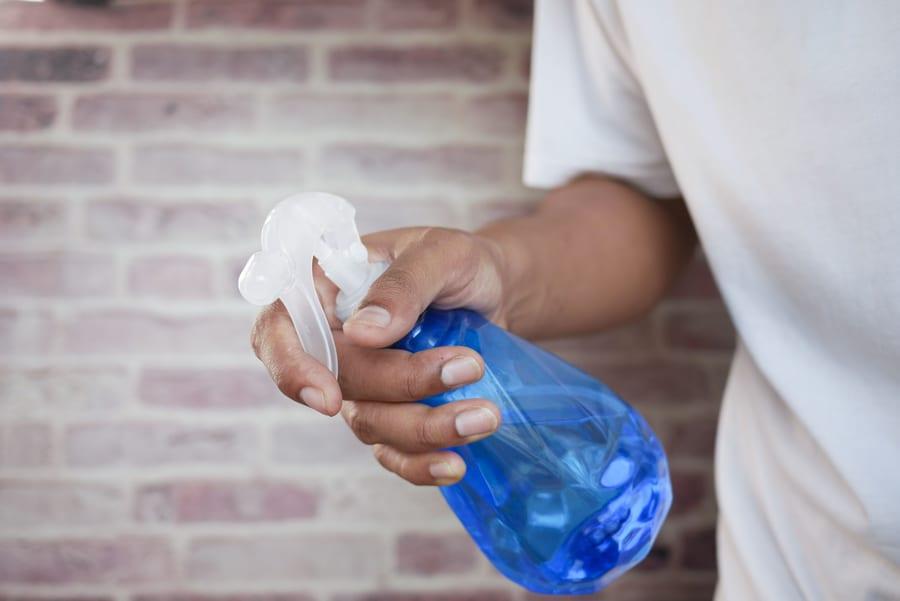
Five Star Star San Sanitizer
Five Star Chemicals
No-rinse acid sanitizer at an ounce per 5 gallons, one to two minutes of contact. Fill the keg, seal it, push it out with CO2 and the keg is purged and sanitized in the same move.
Spec sheet
- Type
- Acid-anionic, no-rinse
- Contact time
- 1-2 minutes
- Dilution
- 1 oz per 5 gal
What it is not good at
Foams enthusiastically. The foam is harmless, which people find hard to believe.
Who it is for
The final step on every keg, every time
Entry tier
Beer Line Cleaning Kit
Mark's Keg Wash / Kegco
A clean keg on a dirty line is a dirty pint. The pump, the line cleaner and the faucet brushes handle the half of the system that is not the keg.
Spec sheet
- Method
- Hand pump or CO2-pressurized bottle
- Cleaner
- Alkaline line cleaner concentrate
- Fittings
- Ball lock disconnect and faucet thread adapters
- Brushes
- Faucet and shank brushes included
- Cycle time
- 15-20 minutes for a two-tap system
- Frequency
- Every two weeks of active service
What it is not good at
Fifteen to twenty minutes for a two-tap system, and nobody enjoys it.
Who it is for
The two-week cadence on a kegerator in active service
FAQ
Questions brewers actually ask
How do you clean a corny keg?
Rinse it the moment it empties. Pull both posts, both dip tubes and the lid O-ring. Soak everything in warm alkaline brewery wash at about an ounce per gallon for twenty to thirty minutes, brush the interior and the tube bores, rinse, reassemble, then fill with no-rinse sanitizer and push it out with CO2.
Do you have to take the posts off a keg to clean it?
Yes, every clean. A poppet valve and spring sit under each post and collect beer film that nothing you pour into the keg will ever reach. The dip tubes come out at the same time, since their bores hold trub and hop debris from the beer that passed through them.
Can you clean a keg with dish soap?
No. Dish soap leaves a surfactant film on stainless that destroys head retention for months, and it is not formulated to lift beerstone. Use an alkaline non-caustic brewery wash, which cleans protein and mineral deposits off stainless without harming the silicone gaskets.
How often should you replace keg O-rings?
Once a year for the lid, both posts and both dip tubes as a set. They are cheap and they harden with age, and a hardened lid O-ring is the single most common cause of a slow CO2 leak that empties a cylinder over a week without anyone noticing.
How do you sanitize a keg before filling it?
Fill it to the brim with no-rinse acid sanitizer at about an ounce per 5 gallons, seal the lid, wait a couple of minutes, then push the liquid out through the liquid post with CO2. This sanitizes every internal surface including the dip tubes and leaves the keg full of CO2 rather than air.
How do you clean a used keg you just bought?
Assume it is dirty inside regardless of how it looks. Strip it completely, soak it in warm alkaline wash twice, brush the interior and inspect for beerstone on the walls and base, and replace every gasket -- lid, posts and dip tubes -- before its first fill.
Read next
More on kegging
Roundup
The Best Beer Line Cleaning Kits
What to buy, how often to clean, and what grows if you do not.
Roundup
The Best Homebrew Cleaners and Sanitizers
The two chemicals that do the work, plus the low-foam and draft-line gear worth adding.
Guide
Homebrew Kegging Setup, Step by Step
The setup order, plus the three day-one failures and how to avoid them.
Guide
Closed Transfer to Keg
The purge, the jumper line and the return gas path that move beer without oxygen.
Guide
How to Clean a Fermenter
Dump, disassemble, soak, rinse: the fermenter cleaning routine for stainless, PET and glass vessels.