Review
Kegco Kegerator Review
A finished serving cabinet at a sensible price. Two upgrades turn it from adequate into good.
The short answer
The Kegco full-size digital kegerator is the best-value finished cabinet for homebrewers: four ball-lock cornies or one half barrel, a digital thermostat, casters and a regulator on most SKUs. It is a serving appliance only -- the temperature range will not reach ale fermentation temperatures the way a KOMOS unit does.
DisclosureWe earn a commission on qualifying purchases made through links on this page, at no extra cost to you. It does not change what we recommend or how we rank it -- here is how we pick and here is the full disclosure.
What it is
A finished serving appliance, done competently
The Kegco full-size kegerator is the straightforward version of this product category. It holds four 5 gallon ball-lock cornies or one half barrel, it has a digital thermostat rather than a dial, it rolls on casters, and most SKUs include a CO2 regulator so the box contains nearly everything you need.
That matters because the alternative to a finished cabinet is building a keezer, which is better value and a weekend of work. If what you want is draft beer in a kitchen this Saturday, with a warranty, this is the class of product that does it, and Kegco is the sensible pick within it.
It is available in single, dual and triple tap configurations. Our advice on multi-tap is in best dual-tap kegerators -- the short version is that two taps need a secondary regulator and the cabinet does not come with one.
Check this first
Internal height against a disconnect
The one specification to verify before ordering, and it is not the keg count. A 5 gallon corny is around 25 inches tall bare, but with posts fitted and ball lock disconnects pushed onto them the assembly reaches roughly 27 inches. A cabinet rated for a half barrel -- which is only about 23 inches -- does not automatically clear that.
Read the stated internal height, not the marketing capacity. If it is marginal, right-angle or low-profile disconnects buy you an inch or so, which is sometimes the difference.
The two things to upgrade
Faucet and regulator
The stock faucet
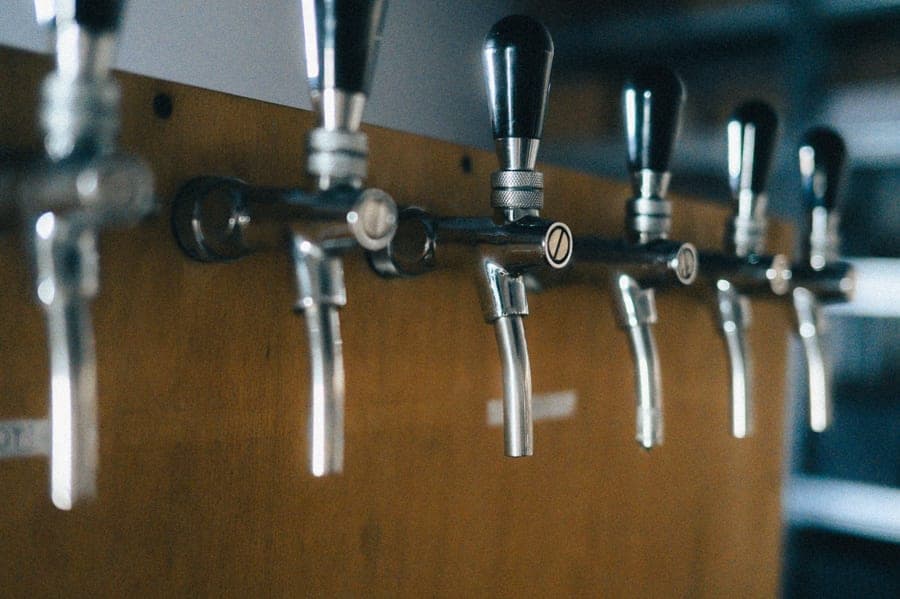
Budget cabinets ship rear-sealing faucets, which shut off behind the spout and leave beer sitting in the faucet body between pours. That beer goes sticky and eventually sour, and it is the reason stock faucets develop a character of their own. A forward-sealing stainless faucet shuts at the front and leaves the body dry. It is an inexpensive part and the most noticeable quality-of-life change available on any stock kegerator.
The single regulator
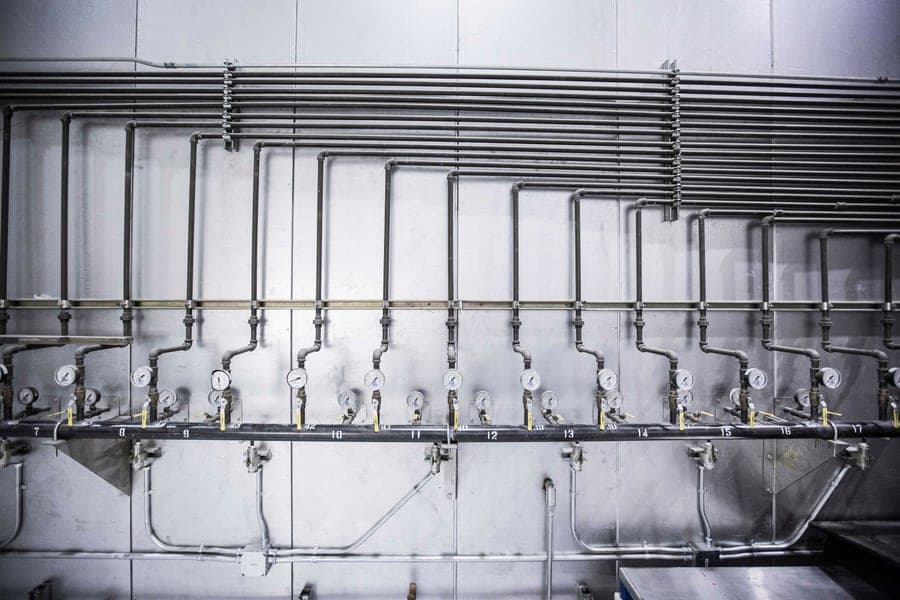
One regulator sets one pressure. With two or three taps that means all your beers share a carbonation level, and no two styles want the same one -- a stout wants roughly 1.8 to 2.0 volumes of CO2 and a saison wants 2.8 or more. A secondary manifold gives each keg its own adjustable body, and usually a shutoff valve per keg as well.
Limitations
Serving range, and the tower
It is a serving appliance. The temperature range covers draft serving and nothing more. If you want one cabinet that can also hold a fermenter at 68°F between kegs, that is a specific feature of wide-range units such as the KOMOS, and it is the main reason to spend more.
The tower holds warm beer. A tap tower sits above the insulated cabinet, so the last few inches of line sit in room-temperature air and the first pour of an evening foams. Mitigations are a small fan pushing cold air up the tower, an insulated tower, or a through-door shank arrangement on cabinets that support it.
Line cleaning still applies. No cabinet exempts you from this. Every two weeks of active service, with a proper alkaline cleaner -- best beer line cleaning kits.
Verdict
Who should buy it
Buy the Kegco if you want a finished, warrantied serving cabinet in a living space and you are content for it to do one job well. It is our best-value pick in best kegerators for homebrew. Budget a forward-sealing faucet and, at two or more taps, a secondary regulator.
Buy a KOMOS instead if dual-purpose serving and fermenting is worth the premium. Build a keezer instead if it is going in a garage and you want more taps per dollar -- kegerator vs keezer is the decision page.
What we recommend
The products on this page
Reviewed here
Mid tier
Kegco Full-Size Digital Kegerator
Kegco
Four cornies or one half barrel, digital thermostat, casters and a CO2 regulator on most SKUs. Available in single, dual and triple tap configurations.
Spec sheet
- Keg capacity
- 1 half barrel, or 4 ball-lock corny kegs
- Control
- Digital thermostat
- Temperature range
- Draft serving range
- Taps
- Single, dual and triple configurations sold
- Gas
- CO2 regulator included on most SKUs
- Mobility
- Casters
What it is not good at
Serving range only, so it will not double as a fermentation chamber. Stock faucets are typically rear-sealing, and the tap tower holds warm beer between pours.
Who it is for
Brewers who want a finished serving cabinet without paying for dual use

Step up to
Prosumer tier
KOMOS Kegerator
KOMOS
The 26-82 F extended range means the same cabinet can hold a fermenter at ale temperature between kegs. Stainless Intertap faucets on most SKUs.
Spec sheet
- Keg capacity
- 1 half barrel or 4 ball-lock corny kegs
- Temperature range
- 26-82 F -- unusually wide
- Secondary use
- Doubles as a fermentation chamber
- Control
- Extended-range digital controller
- Taps
- Stainless Intertap faucets on most SKUs
- Mobility
- Casters, regulator included
What it is not good at
Costs more, and using it as a fermentation chamber means not serving from it that week.
Who it is for
Brewers who want one cabinet to serve and ferment
The first upgrade
Mid tier
Intertap Stainless Forward-Sealing Faucet
Intertap
Forward-sealing stainless, so no beer sits in the faucet body between pours. The most noticeable improvement you can make to any stock cabinet.
Spec sheet
- Seal type
- Forward sealing
- Material
- 304 stainless
- Spout
- Interchangeable (stout, growler)
What it is not good at
Shank thread must match. Interchangeable spouts are separate purchases.
Who it is for
Replacing the stock rear-sealing faucet
The second upgrade
Prosumer tier
Secondary CO2 Regulator Manifold
Taprite / Duotight
The included regulator sets one pressure for everything. A secondary manifold gives each keg its own, so a stout and a saison can both be right.
Spec sheet
- Outputs
- 2, 3 or 4 bodies
- Adjustment
- Each body set independently
- Feed
- Runs off the primary regulator
- Gauges
- One per body on gauged versions
- Shutoff
- Per-body shutoff on most models
- Why
- Serve a stout at 8 psi beside a saison at 14
What it is not good at
Mounting inside the cabinet costs interior space.
Who it is for
Anyone running more than one keg
FAQ
Questions brewers actually ask
Does a Kegco kegerator fit four corny kegs?
Most full-size Kegco cabinets are rated for four 5 gallon ball-lock cornies or one half barrel. The check that matters is internal height rather than the keg count: a corny with posts and ball lock disconnects fitted stands around 27 inches, not the 25 inches the keg measures bare. Read the stated internal height before ordering.
Can a Kegco kegerator be used as a fermentation chamber?
No, its temperature range covers draft serving only. Holding a fermenter at ale temperatures needs a cabinet whose range extends into the 60s and 70s Fahrenheit, which is a specific feature of wide-range units such as the KOMOS kegerators. That dual-purpose capability is the main reason to spend more.
What should I upgrade on a budget kegerator?
The faucet first, then the regulator. Stock faucets are usually rear-sealing, which leaves beer sitting in the faucet body between pours where it goes sticky and sour; a forward-sealing stainless faucet fixes that for very little. Then, if you run more than one keg, a secondary regulator manifold so each keg gets the pressure its style actually wants.
Why does the first pour from my kegerator foam?
The tap tower. It sits above the insulated cabinet, so the last few inches of beer line are in room-temperature air and the beer in them warms between pours. Options are a small fan pushing cold air up into the tower, an insulated tower, or a through-door shank arrangement where the faucet passes straight through the insulated wall.
Sources
Read next
More on kegging
Roundup
The Best Kegerators for Homebrew
Kegerators compared on corny capacity, internal height and temperature range.
Comparison
Kegerator vs Keezer: Which Should You Build?
Kegs per dollar, insulation and build effort, compared properly.
Roundup
The Best CO2 Regulators for Homebrew
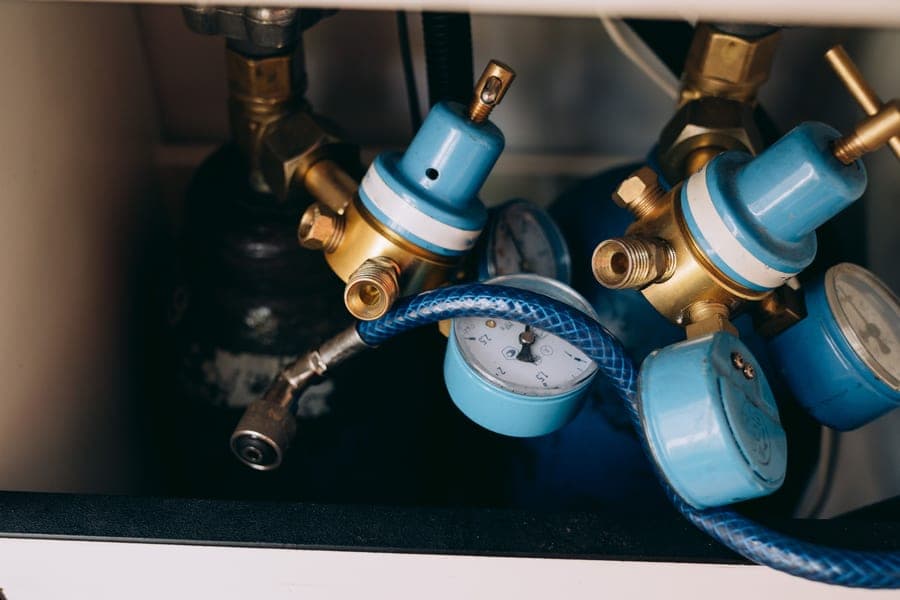
Primary regulators and secondary manifolds, and what to check before buying.

Roundup
The Best Beer Line Cleaning Kits
What to buy, how often to clean, and what grows if you do not.
Roundup
The Best Homebrew Keg Systems
What a kegging kit includes, what it omits, and the complete cost.