Roundup
Best Pressure Brewing Systems
A pressure fermenter on its own is a vessel. A pressure brewing system is the vessel plus the gas control and the keg it hands the beer to.
The short answer
The best home pressure brewing system is a stainless KegMenter fermenter, a dual-gauge CO2 regulator for spunding and counter-pressure, and a ball-lock corny keg to transfer into. That trio ferments under pressure, transfers without touching air, and arrives in the keg already half carbonated.
DisclosureWe earn a commission on qualifying purchases made through links on this page, at no extra cost to you. It does not change what we recommend or how we rank it -- here is how we pick and here is the full disclosure.
At a glance
Quick picks
| # | Product | Best for | Price |
|---|---|---|---|
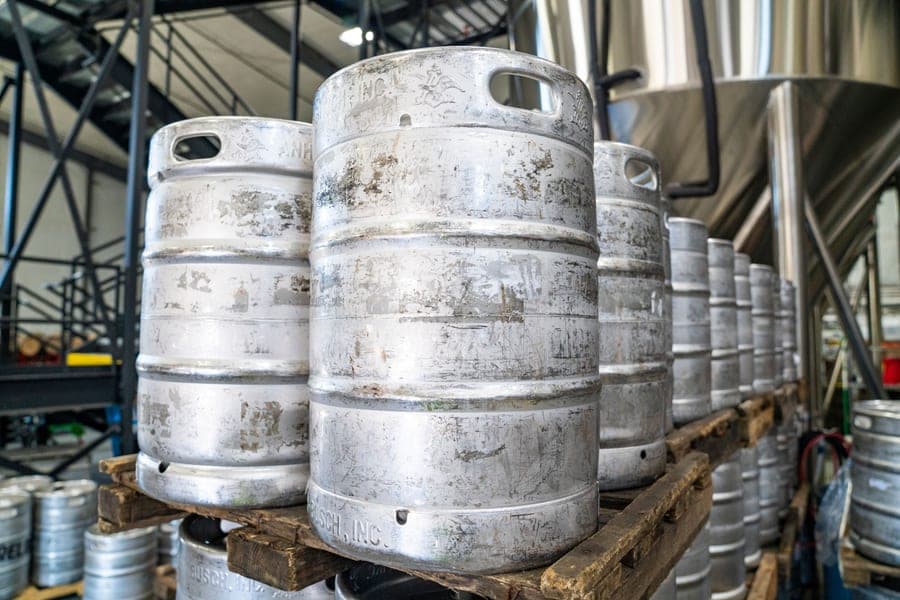
| 1 | Best system core KegLand KegMenter Fermenter 30 L Keg-bodied 304 stainless rated for pressure fermentation and pressure transfer, on ball-lock posts, so every connection in the system is the same fitting you already own. 30, 40 and 58 L sizes. | Brewers who keg and want the whole chain sealed | |
| 2 | 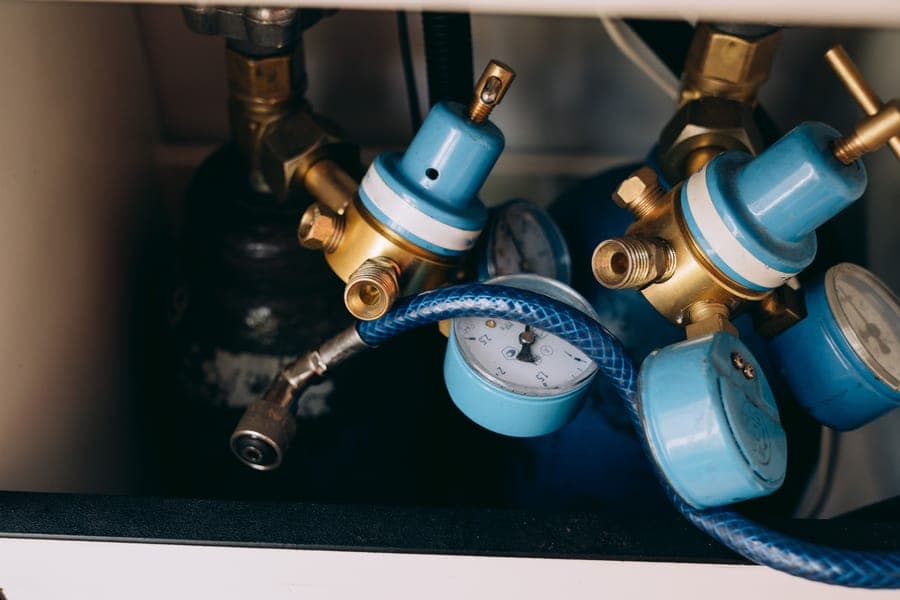 The part that makes it a system Taprite Dual-Gauge CO2 Regulator 0-60 psi output on a forged brass body with a tank gauge. This single component sets fermentation pressure, pushes the transfer and then carbonates the keg -- it is the control layer the vessel does not have. | Spunding, counter-pressure transfer and carbonation | |
| 3 | 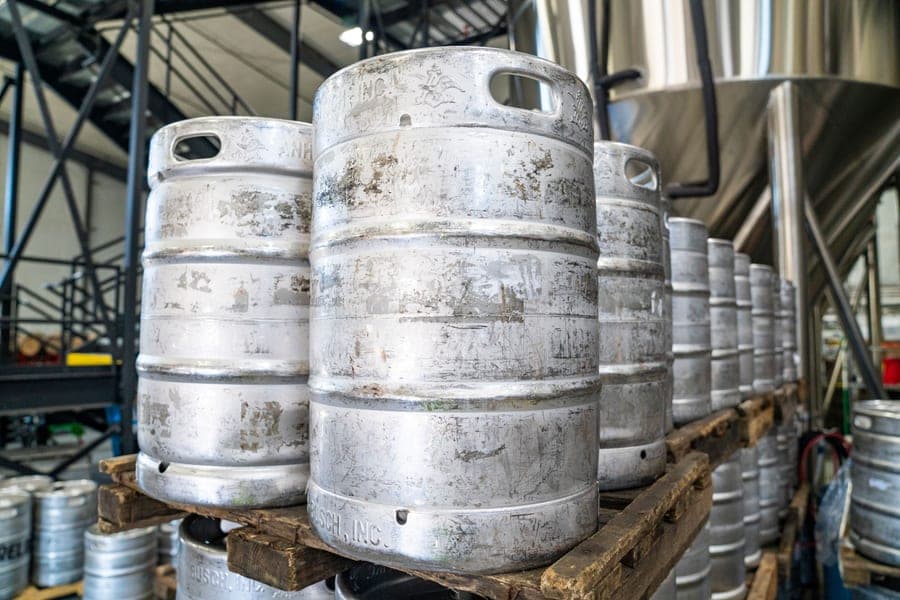 The other half of the system 5 Gallon Ball Lock Corny Keg Pressure fermentation only pays off if the beer lands somewhere sealed. A 5 gallon ball-lock corny purged with CO2 is the receiving vessel the whole method is built around. | Any closed transfer out of a pressure fermenter | |
| 4 | 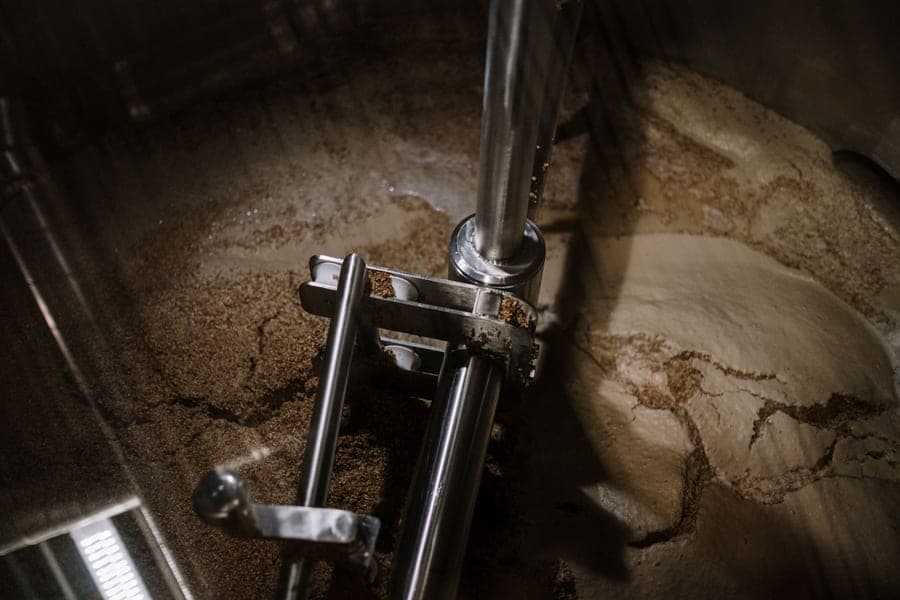 Best budget system core FermZilla All Rounder 30 L Clear PET rated for pressure with the pressure kit, on ball-lock posts, light enough to lift full-handed. The cheapest honest entry into pressure brewing and the only one where you can watch the krausen fall. | Brewers who want to see the fermentation | |
| 5 |  Best system with yeast harvesting FermZilla Tri-Conical 27 L Pressure-capable with the kit, plus a detachable collection butt that drops trub and yeast out of the beer and hands you a clean slurry for the next batch. | Brewers who repitch and want pressure as well |
Prices are checked on Amazon when you click. We never print a number we cannot verify.
What a pressure brewing system has to do, part by part
| Job | Part | What to look for |
|---|---|---|
| Hold pressure while fermenting | Rated fermenter | Stated pressure rating, PRV fitted |
| Set and hold the pressure | Spunding valve or regulator | Adjustable, with a gauge |
| Move beer without air | Gas post + liquid post | Ball lock throughout |
| Receive the beer sealed | Purged corny keg | Purge from the fermenter if you can |
| Carbonate | CO2 regulator | 0-60 psi output range |
| Keep the yeast healthy | Temperature control | Pressure is not a substitute |
| Harvest yeast (optional) | Collection butt or dump valve | Tri-clover fittings |
Why a system, not a vessel
Three parts, one sealed path
People buy a pressure fermenter, ferment under pressure, then open the lid and siphon into a keg. That throws away most of the benefit. The value of pressure brewing is that the beer never meets air between the boil and the glass, and that requires three parts working together rather than one clever vessel.
First, a vessel genuinely rated to hold pressure, with a pressure relief valve. Second, adjustable gas control -- a spunding valve or a regulator -- so you choose the pressure rather than accept whatever the yeast builds. Third, a keg at the end that is purged and sealed, so the transfer is pressure pushing beer rather than a siphon pulling air in behind it.
Get all three and the beer arrives in the keg already partly carbonated, having never oxidized. Miss the third and you have an expensive bucket -- closed transfer to keg is the step that completes the chain.
Pick one fitting standard
Ball lock everywhere
The reason the KegMenter and FermZilla vessels dominate home pressure brewing is not metallurgy. It is that they wear ball-lock posts, the same posts as a corny keg. One set of disconnects, one kind of jumper line, and the fermenter-to-keg transfer becomes a matter of clicking two fittings together.
Mixing standards is where pressure setups get expensive and irritating: tri-clover on the fermenter, ball lock on the keg, and a drawer of adapters in between. Decide on ball lock early and stay there unless you have a reason not to -- ball lock vs pin lock kegs.
The gas side
Spunding is a setting, not a part number
Spunding means letting the fermentation build its own pressure to a chosen ceiling and bleeding off the excess. The yeast does the work; the valve just decides where to stop. Fifteen psi is a common ceiling for clean ale and lager fermentations, and at that pressure the beer finishes with real carbonation already in solution.
A dedicated adjustable spunding valve does this most precisely. A good dual-gauge regulator covers the same ground for a brewer who also needs to push a transfer and carbonate a keg, which is why it earns its place in the system list -- how to pressure ferment covers the pressures step by step.
Which vessel for which brewer
Stainless, clear or coned
- Stainless, keg-bodied. The durable answer. Opaque, so you brew by gravity readings rather than by eye, flat-bottomed so there is no cone to dump. Buy it if you intend to still be pressure fermenting in ten years.
- Clear PET cylinder. The cheapest honest entry, and the only one where you can watch the krausen rise and fall, which genuinely teaches you something in the first year. Treat the vessel as a consumable -- FermZilla All Rounder review.
- Coned with a collection butt. Pressure plus yeast harvesting. If you repitch, the butt pays for itself in yeast you did not buy -- FermZilla conical vs All Rounder.
Is the whole method worth it
Who it genuinely helps
Pressure brewing earns its keep for brewers making clean styles -- lagers, pilsners, kolsch, restrained pale ales -- where suppressed esters are the goal, and for brewers who keg, because the sealed transfer and the free carbonation only arrive if there is a keg at the end of the line.
It helps a hazy IPA brewer less, since the method is partly about suppressing exactly the fruity character that style wants, and it helps a bottler barely at all. That is a real limit on the technique rather than a reason to skip it -- is pressure fermentation worth it works through the cost side honestly.
The picks, in order
Every pick in detail
#1
Best system core
Mid tier
KegLand KegMenter Fermenter 30 L
KegLand
Keg-bodied 304 stainless rated for pressure fermentation and pressure transfer, on ball-lock posts, so every connection in the system is the same fitting you already own. 30, 40 and 58 L sizes.
Spec sheet
- Capacity
- 30 L / 7.9 gal (also 40 L and 58 L)
- Material
- 304 stainless, keg-style body
- Pressure
- Rated for pressure fermentation and transfer
- Shape
- Flat bottom -- no trub cone
- Ports
- Ball lock posts, floating dip tube option
- Opacity
- Opaque -- you cannot see the krausen
What it is not good at
Opaque and flat-bottomed, so you cannot see the krausen and there is no trub cone to dump.
Who it is for
Brewers who keg and want the whole chain sealed
#2
The part that makes it a system
Mid tier
Taprite Dual-Gauge CO2 Regulator
Taprite
0-60 psi output on a forged brass body with a tank gauge. This single component sets fermentation pressure, pushes the transfer and then carbonates the keg -- it is the control layer the vessel does not have.
Spec sheet
- Gauges
- Dual -- output pressure and tank contents
- Output range
- 0-60 psi
- Inlet
- CGA-320 CO2 tank thread
- Outlet
- 1/4 in MFL or barb
- Body
- Forged brass
- Serviceable
- Rebuild kits widely available
What it is not good at
A dedicated spunding valve still does the pressure-relief job more precisely than a regulator alone.
Who it is for
Spunding, counter-pressure transfer and carbonation
#3
The other half of the system
Entry tier
5 Gallon Ball Lock Corny Keg
AMCYL / NSI
Pressure fermentation only pays off if the beer lands somewhere sealed. A 5 gallon ball-lock corny purged with CO2 is the receiving vessel the whole method is built around.
Spec sheet
- Capacity
- 5 gal / 19 L
- Height
- ~25 in (26 in with posts)
- Diameter
- ~8.5 in
- Connection
- Ball lock gas and liquid posts
- Pressure rating
- 130 psi typical, 55 psi working
- Lid
- Oval pry-out lid with a PRV
What it is not good at
Needs purging before transfer, and a spare set of disconnects so you are not swapping them mid-pour.
Who it is for
Any closed transfer out of a pressure fermenter
#4
Best budget system core
Mid tier
FermZilla All Rounder 30 L
KegLand
Clear PET rated for pressure with the pressure kit, on ball-lock posts, light enough to lift full-handed. The cheapest honest entry into pressure brewing and the only one where you can watch the krausen fall.
Spec sheet
- Capacity
- 30 L / 7.9 gal
- Shape
- Cylindrical (no cone)
- Pressure rating
- Rated for pressure fermentation with the pressure kit
- Material
- Clear PET
- Ports
- Ball lock posts, 4 in tri-clover lid option
- Weight
- Light enough to lift full-handed
What it is not good at
PET scratches and will not last like stainless, and the pressure kit is a separate purchase on most listings.
Who it is for
Brewers who want to see the fermentation
#5
Best system with yeast harvesting
Mid tier
FermZilla Tri-Conical 27 L
KegLand
Pressure-capable with the kit, plus a detachable collection butt that drops trub and yeast out of the beer and hands you a clean slurry for the next batch.
Spec sheet
- Capacity
- 27 L / 7.1 gal (also 55 L)
- Cone
- Detachable collection butt for yeast harvest
- Fitting
- 3 in tri-clover ferrule molded into the tank
- Valve
- Redesigned tri-clover dump valve
- Material
- Clear PET body
- Pressure
- Yes, with the pressure kit
What it is not good at
More seals and fittings to maintain than a plain cylinder, and the collection butt is one more thing to sanitize.
Who it is for
Brewers who repitch and want pressure as well
FAQ
Questions brewers actually ask
What is a home pressure brewing system?
A pressure-rated fermenter, adjustable gas control such as a spunding valve or regulator, and a purged keg to transfer into. All three are needed: the vessel holds pressure, the valve decides how much, and the sealed keg means the beer never meets air between the boil and the glass.
Do I need a spunding valve for pressure brewing?
You need something that sets a pressure ceiling and bleeds off the rest. A dedicated adjustable spunding valve does it most precisely. A good dual-gauge CO2 regulator covers the same ground and also pushes the transfer and carbonates the keg, which is why many systems use one regulator for all three jobs.
What pressure should I ferment at?
Around 15 psi is a common ceiling for clean ales and lagers, which also leaves the beer with usable carbonation already in solution at the end of fermentation. Higher pressures slow the yeast further and suppress more ester character; much lower and the benefit shrinks toward nothing.
Is pressure brewing worth it for a hazy IPA?
Less than for most styles. Pressure fermentation works partly by suppressing ester production, and a hazy IPA wants the fruity ester character that suppression removes. The closed-transfer half of the method still helps enormously, since hoppy beers are the ones oxidation ruins fastest.
Can I use a corny keg as a pressure fermenter?
Yes, and it is the cheapest route in. A corny holds pressure, takes a spunding valve on the gas post, and transfers to another keg through its liquid post. The limits are headspace for krausen in a 5 gallon body and no cone to dump trub from.
Does pressure fermentation replace temperature control?
No. It reduces how much the temperature matters by suppressing the esters that warm fermentation produces, which is why brewers ferment lagers warmer under pressure. The beer still generates heat and still needs a controller and a chamber or glycol loop to hold a setpoint.
Read next
More on fermenters
Roundup
The Best Pressure Fermenters
Genuinely rated pressure vessels, and what the working kit really costs.
Guide
Closed Transfer to Keg
The purge, the jumper line and the return gas path that move beer without oxygen.
Guide
Is Pressure Fermentation Worth It?
The real costs and real benefits of pressure fermenting, and who should skip it.
Guide
Pressure Fermentation, Explained
The actual mechanism, the psi to use, and what pressure cannot fix.
Roundup
The Best Conical Fermenters
Stainless, plastic and pressure-capable conicals compared, with chamber-fit warnings.