Guide
All-Grain Brewing Equipment List
Everything you actually need to mash, in three tiers: essential, worth buying soon, and the things people buy too early.
The short answer
A minimum all-grain setup needs a mash vessel that holds temperature, a kettle at least 50 percent larger than your batch, a heat source, a way to separate wort from grain, a wort chiller, a fermenter with an airlock, a hydrometer and sanitizer. Everything else -- a mill, a pump, a pH meter -- is an upgrade rather than a requirement.
DisclosureWe earn a commission on qualifying purchases made through links on this page, at no extra cost to you. It does not change what we recommend or how we rank it -- here is how we pick and here is the full disclosure.
Tier 1
Essential: you cannot brew all-grain without these
- A mash vessel that holds temperature. An insulated cooler, a kettle wrapped in a blanket, or the mash function of an electric all-in-one. The requirement is holding a set temperature within a couple of degrees for 60 minutes.
- A kettle at least 50 percent larger than the batch. 10 gallons for a 5 gallon batch. Pre-boil volume is around 7 gallons, and hot break foam needs freeboard above that.
- A heat source matched to the kettle. A propane burner, a 240V element, or an induction hob with a clad-base kettle. A domestic gas ring will not boil 7 gallons properly.
- Wort and grain separation. A false bottom, a stainless braid, a slotted manifold, or a grain bag for brew-in-a-bag. Something has to hold back the husks.
- A wort chiller. You need to get 7 gallons from boiling to pitching temperature the same evening. An immersion coil is the simplest.
- A fermenter with an airlock, sized 20 to 25 percent above the batch for krausen headroom.
- A hydrometer and test jar. The only reliable way to know fermentation has finished. Not optional, and cheap.
- No-rinse sanitizer. More of it than you think.
- A thermometer you trust. Mash temperature is the one number that changes the beer, so a 5-degree error matters.
Tier 2
Worth buying soon: high return, modest cost
- A grain mill. The highest-return accessory in all-grain brewing. A shop crushes to one safe gap; setting your own commonly gains several efficiency points, and milling fresh preserves aroma. See best grain mills and gap settings.
- Fermentation temperature control. A dual-stage controller and any fridge or freezer. This changes how the beer tastes more than anything else on the page -- best temperature controllers.
- An auto-siphon. Transfers without aerating the beer or requiring you to start a siphon by mouth.
- A hop containment option. A hop spider or bags. Essential the moment you own a pump or plate chiller, optional before that.
- A pump. Required for recirculating and for counterflow or plate chilling. If you are on a single-vessel electric system, treat it as Tier 1.
Tier 3
Skip for now: things people buy too early
- A pH meter. Genuine value, but only once your process is stable enough that water chemistry is the limiting factor. Before then it is a number you do not know what to do with, and it needs calibration solutions and care.
- A conical fermenter. A real upgrade with real benefits, and the wrong first purchase. Temperature control first -- the reasoning is in conical vs bucket.
- A plate chiller. Fast and compact, and it will clog solid on your first heavily hopped beer without a filter upstream. Start with an immersion coil -- chiller types compared.
- Oxygenation kit. Useful on high-gravity worts and unnecessary below about 1.060, where shaking the fermenter aerates adequately.
- A second fermenter for secondary. Most styles do not need a secondary vessel, and the extra transfer is an extra oxygen-exposure and infection risk.
What we recommend
The products on this page
The kettle
Entry tier
Bayou Classic Stainless Brew Kettle
Bayou Classic
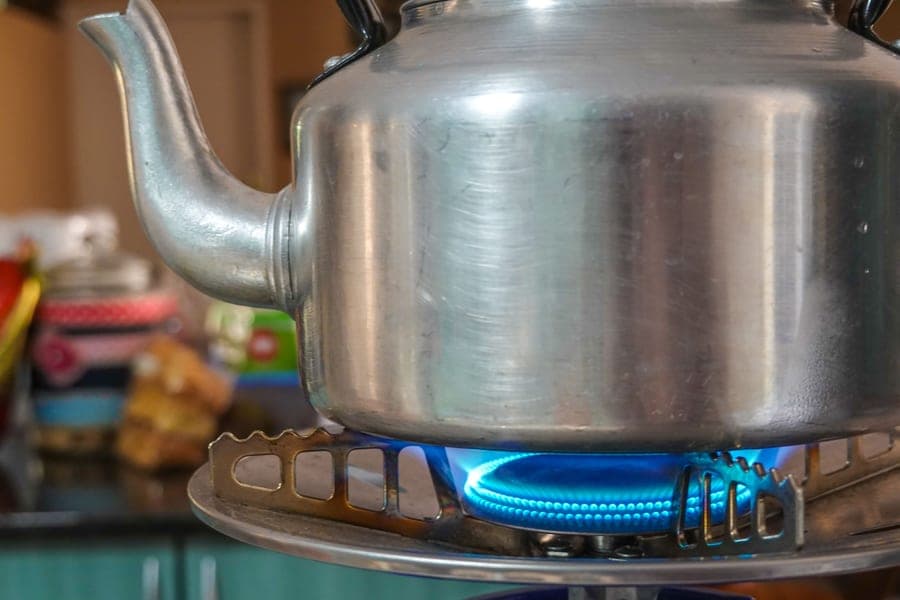
Ten gallons is the right size for a 5 gallon batch: pre-boil volume is around 7 gallons and you need freeboard for the hot break. Clad-base versions work on induction as well as gas.
Spec sheet
- Capacity
- 8, 10, 16 and larger
- Material
- Stainless; tri-clad base on some models
- Ports
- Some SKUs ship with a valve and thermometer
- Heat source
- Gas burner or induction with a clad base
- Weld quality
- Stamped fittings, not welded ferrules
- Best for
- A first 10 gal kettle without the Spike price
What it is not good at
Stamped fittings rather than welded ferrules, so a weeping port is harder to address later.
Who it is for
A first 10 gallon kettle without a premium price
The chiller
Entry tier
Stainless Immersion Wort Chiller 25 ft
NY Brew Supply / Coldbreak
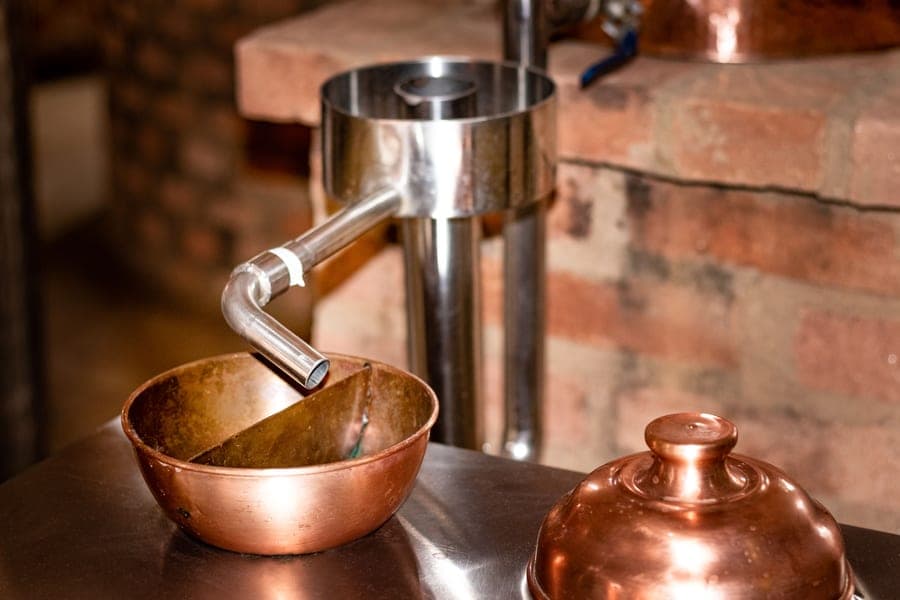
A 25 ft coil drops a 5 gallon batch to pitching temperature in twenty to thirty minutes, needs no pump, and cannot clog because the wort never goes inside it.
Spec sheet
- Length
- 25 ft (50 ft available)
- Tubing
- 1/2 in OD
- Material
- 304 stainless or copper
- Batch size
- 5-10 gal
- Cleaning
- Exterior only -- easiest of the three types
- Clog risk
- None (water inside, wort outside)
What it is not good at
Uses a lot of tap water, and chilling time roughly doubles if you move to 10 gallon batches.
Who it is for
Anyone starting all-grain without a pump
The mash vessel
Mid tier
Insulated Mash Tun with False Bottom
Igloo conversion / Spike
An insulated 10 gallon cooler with a domed false bottom is the cheapest vessel that holds mash temperature for a full hour with no heat input.
Spec sheet
- Capacity
- 10 gal (fits a 5-6 gal batch comfortably)
- Insulation
- Holds mash temp within 1-2 F over 60 min
- Manifold
- Domed false bottom, braid or slotted manifold
- Valve
- Ball valve bulkhead through the wall
- Heat
- No direct heat -- infusion steps only
- Best for
- Batch sparging without an electric system
What it is not good at
Step mashing requires infusion calculations, and there is no way to apply heat if you undershoot.
Who it is for
Batch sparging without an electric system
The sanitizer
Entry tier
Five Star Star San Sanitizer
Five Star Chemicals
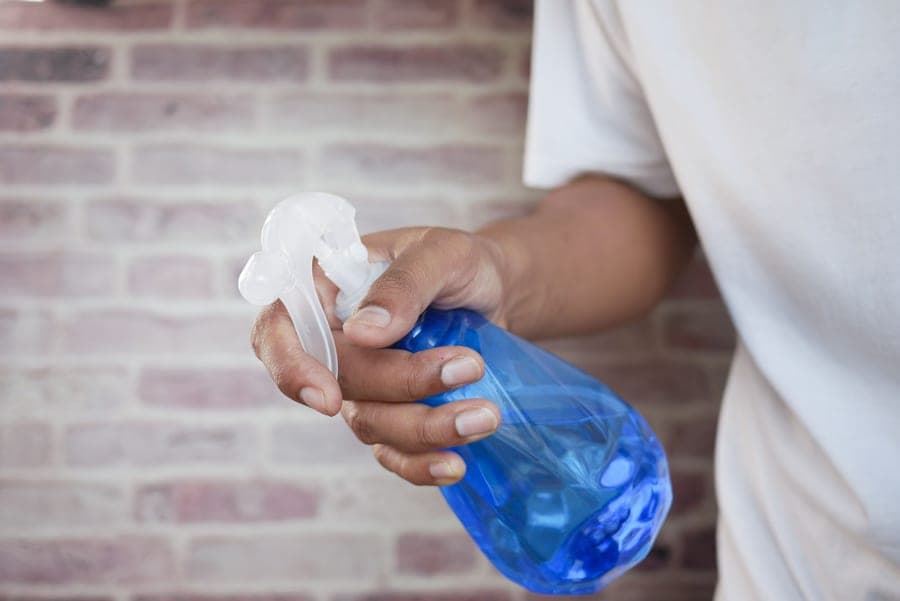
No-rinse acid sanitizer at an ounce per five gallons, one to two minutes of contact. Infection is the most common cause of a ruined batch and this is the cheapest insurance against it.
Spec sheet
- Type
- Acid-anionic, no-rinse
- Contact time
- 1-2 minutes
- Dilution
- 1 oz per 5 gal
What it is not good at
Needs low-alkalinity water to stay in its effective pH range, and the foam worries people unnecessarily.
Who it is for
Every batch, without exception
FAQ
Questions brewers actually ask
What is the minimum equipment to brew all-grain?
A vessel that holds mash temperature for an hour, a kettle at least 50 percent larger than your batch, a heat source that can boil it, a way to separate wort from grain, a wort chiller, a fermenter with an airlock, a hydrometer and no-rinse sanitizer. Brew-in-a-bag reduces this further by using the kettle itself as the mash vessel with a large grain bag.
Do I need a pump for all-grain brewing?
Not for brew-in-a-bag or a cooler mash tun, where gravity does the work. You do need one to recirculate on a single-vessel electric system, and you need one to use a counterflow or plate chiller. If you are buying an all-in-one system, treat the pump as part of the system rather than an accessory.
What size kettle do I need for all-grain?
Ten gallons for a 5 gallon batch, fifteen for a 10 gallon batch. Pre-boil volume for a 5 gallon batch is around 7 gallons, hot break foams substantially in the first minutes, and the margin between a vigorous boil and a boilover is only a few inches of freeboard.
Is a pH meter necessary for homebrewing?
Not early on. Mash pH matters, but it only becomes the limiting factor once your crush, temperature control and fermentation are consistent. Before that you have a number without an action to attach to it, plus calibration solutions to maintain. Most brewers get more from a grain mill and a temperature controller at the same cost.
Do I need a secondary fermenter?
For most styles, no. Modern practice leaves beer in the primary vessel for the whole fermentation and conditioning period, because each transfer is another chance to introduce oxygen or an infection. Secondary vessels still make sense for long-aged beers, fruit additions and lagering, but they are not a default step.
Read next
More on brewing systems
Roundup
The Best All-Grain Brewing Systems
Single-vessel, hybrid and welded all-grain approaches compared on time, space and cost.
Roundup
The Best Grain Mills for Homebrewing
Grain mills compared on rollers, gap adjustment and build quality.
Roundup
The Best Wort Chillers
Immersion, counterflow and plate chillers compared on the trades that matter.

Guide
False Bottoms Explained
What a false bottom does, domed versus flat, dead space, and the alternatives.
Roundup
The Best Electric All-in-One Brewing Systems
Five all-in-one systems compared on finished volume, voltage and parts support.