Comparison
Conical Fermenter vs Carboy
Carboys win on oxygen exclusion and lose on everything else. Which matters depends entirely on how long the liquid sits in there.
The short answer
A conical fermenter is the better vessel for beer: easier to clean, no neck to work through, and it separates trub. A glass carboy is the better vessel for wine and mead aged over months, because glass is completely oxygen-impermeable and a narrow neck minimizes headspace. Avoid glass carboys for beer -- they are heavy, awkward and genuinely dangerous when full.

DisclosureWe earn a commission on qualifying purchases made through links on this page, at no extra cost to you. It does not change what we recommend or how we rank it -- here is how we pick and here is the full disclosure.
These two vessels are usually compared as though they were competing for the same job. They are not. The decision is driven almost entirely by how long the liquid will sit in the vessel, because that is what determines whether oxygen permeability matters.
Conical against carboy
| Conical | Glass carboy | PET carboy | |
|---|---|---|---|
| Oxygen barrier | Good (stainless) / fair (PET) | Perfect | Fair |
| Headspace control | Poor if part-full | Narrow neck, minimal surface | Narrow neck |
| Cleaning access | Wide | Brush through a neck | 4 in mouth |
| Trub separation | Cone, dumpable | Flat, rack around it | Flat |
| Weight when full | Heavy (stainless) | Very heavy | Light |
| Safety when full | Stable | Breakage risk | Safe |
| Best for | Beer, 2-4 weeks | Wine and mead, months | Beer, or short wine |
An orange rule marks the better of the two on that row.
The oxygen question
Two weeks versus nine months
Oxygen is the enemy of finished beverages, but the timescale over which it does damage is long. A beer that ferments for two weeks and gets kegged has no meaningful exposure to slow permeation through a vessel wall -- it is gone before that matters. A mead that sits in bulk for nine months absolutely does.
Glass is the only completely oxygen-impermeable common option, which is why wine and mead makers use carboys and demijohns and beer brewers mostly do not. PET is slightly permeable, which is irrelevant over weeks and relevant over seasons. Stainless is effectively impermeable but a conical is usually the wrong shape for aging, because a part-full conical has a large flat liquid surface in contact with headspace.
That shape point is the one most people miss, and it is why the real wine answer is neither of these -- a variable-capacity stainless tank has a floating lid that drops to the liquid line, eliminating headspace entirely.
The glass warning
Do not use glass carboys for beer
Glass carboys are still sold as the premium beer fermenter and they should not be. The problems are practical and they are serious:
- Weight. A full 6 gallon glass carboy weighs around 60 pounds with no handle and a slippery wet surface.
- Breakage. Glass fails without warning under thermal shock or impact, and a full carboy breaking is a serious laceration risk. Milk-crate carriers exist precisely because this happens.
- Cleaning. A narrow neck means a brush and a lot of hope. You cannot inspect the inside properly or reach a krausen ring with a cloth.
For beer, a wide-mouth PET carboy gives you the same shape with a third of the weight and no breakage risk, and the slight oxygen permeability is irrelevant on a two-week timescale.
Our verdict
Which one should you buy?
Conical, if
Ss Brewtech Brew Bucket
- You are fermenting beer over two to four weeks
- You want to dump trub or harvest yeast
- You value being able to clean by hand and inspect
Glass carboy, if
Glass Demijohn 5-6 Gallon
- You are bulk aging wine or mead over months
- Complete oxygen exclusion is the priority
- You will keep the vessel full and handle it carefully
PET carboy, if
FerMonster 7 Gallon Wide Mouth Carboy
- You want carboy shape without the weight or breakage risk
- The liquid leaves within a couple of months
- Cleaning access matters to you
What we recommend
The products on this page
Better for beer
Mid tier
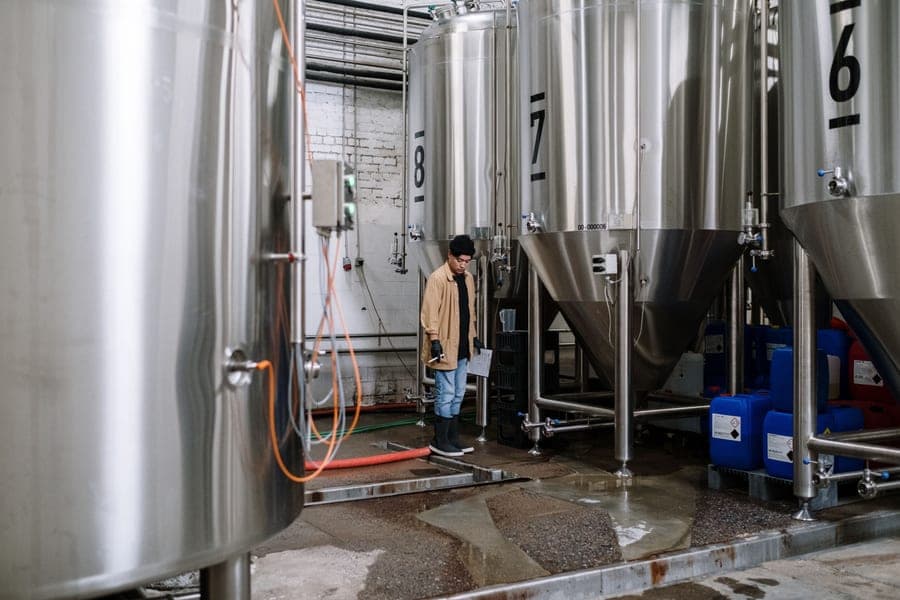
Ss Brewtech Brew Bucket
Ss Brewtech
Wide access, a trub cone, a racking valve and no narrow neck to clean through. Beer leaves the vessel fast enough that oxygen permeability never becomes relevant.
Spec sheet
- Capacity
- 7 gal / 26 L (5 gal batch)
- Cone angle
- 40 degrees
- Valve
- Rotating racking arm, stainless ball valve
- Lid
- Silicone-gasketed, non-pressure
- Material
- Polished 304 stainless
- Pressure rated
- No
What it is not good at
Not pressure rated, and a poor choice for a wine or mead that will sit for nine months.
Who it is for
Two to four week beer fermentations
Better for long aging
Entry tier
Glass Demijohn 5-6 Gallon
Various
Glass is completely oxygen-impermeable and the narrow neck minimizes the surface where oxygen can reach the liquid. For a nine-month mead this is the correct vessel.
Spec sheet
- Capacity
- 5-6 gal (smaller sizes common in Europe)
- Material
- Glass -- fully oxygen-impermeable
- Neck
- Narrow, takes a #6.5 or #7 bung
- Cleaning
- Needs a carboy brush; no wide access
- Weight
- Heavy full; use a milk-crate carrier
- Best for
- Long bulk aging where oxygen is the enemy
What it is not good at
Heavy, awkward, and a full one that slips is a genuine injury risk. Cleaning requires a carboy brush and patience.
Who it is for
Wine and mead bulk aged over months
The sensible middle
Entry tier
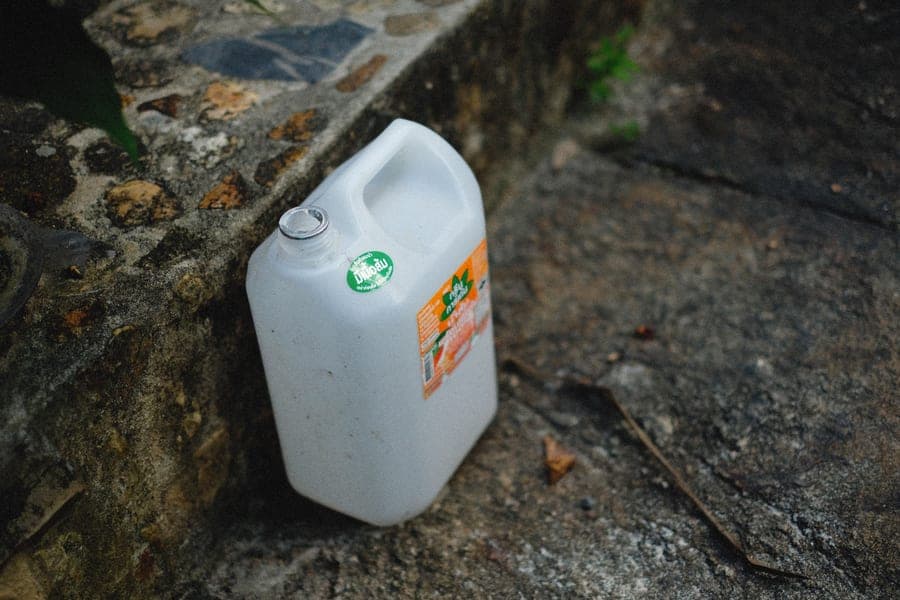
FerMonster 7 Gallon Wide Mouth Carboy
FerMonster
A 7 gallon PET carboy with a 4 inch mouth: the oxygen barrier is good enough for beer, the weight is a third of glass, and you can reach inside to clean it.
Spec sheet
- Capacity
- 7 gal / 26 L
- Opening
- 4 in wide mouth
- Material
- PET
What it is not good at
PET is slightly oxygen-permeable over months, so it is not the right vessel for a long-aged wine. Scratches if scrubbed.
Who it is for
Brewers who want carboy shape without glass risk
FAQ
Questions brewers actually ask
Should I use a glass carboy for beer?
No. A full 6 gallon glass carboy weighs around 60 pounds with no handle, fails without warning under thermal shock or impact, and cannot be properly cleaned or inspected through its narrow neck. A wide-mouth PET carboy gives you the same shape at a third of the weight with no breakage risk, and glass's oxygen advantage is irrelevant over a two-week fermentation.
Is a carboy better than a conical for wine?
For bulk aging over months, yes. Glass is completely oxygen-impermeable and the narrow neck minimizes the liquid surface exposed to headspace, which is exactly what a long-aged wine needs. A part-full conical has a wide flat liquid surface in contact with air, which is the wrong geometry for aging. The best wine answer is a variable-capacity stainless tank whose floating lid eliminates headspace entirely.
Does headspace matter in a beer fermenter?
You actively want it during fermentation: krausen needs 20 to 25 percent of the vessel volume above the beer or it will push through the airlock. The headspace that causes problems is in a part-full vessel during long aging, which is a wine and mead concern rather than a beer one. Size a beer fermenter above the batch volume and stop worrying about it.
Is PET safe for fermenting?
Yes, food-grade PET is standard for brewing vessels and is used by every major manufacturer of plastic fermenters. Its one real limitation is slow oxygen permeability, which is immaterial over a two-week beer fermentation and starts to matter over a multi-month wine or mead. Its practical limitation is that it scratches, so clean by soaking rather than scrubbing.
Read next
More on fermenters

Comparison
Conical Fermenter vs Bucket
What a cone adds over a bucket, and when it is the wrong purchase.
Roundup
The Best Conical Fermenters
Stainless, plastic and pressure-capable conicals compared, with chamber-fit warnings.
Comparison
Demijohn vs Carboy
The terminology settled, then the glass-versus-PET decision that matters.
Roundup
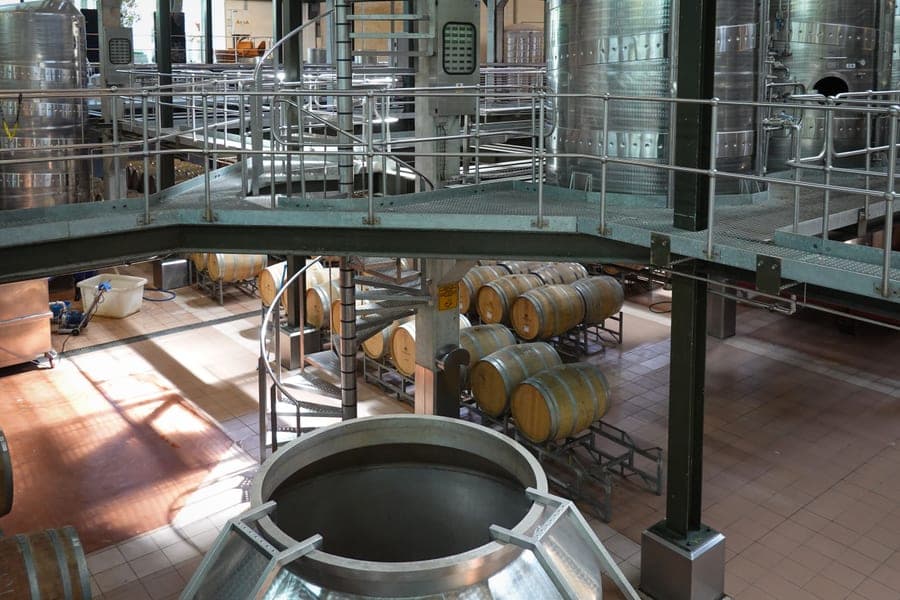
The Best Wine Fermenters
Variable-capacity tanks, carboys and primaries, judged on headspace control.
Comparison
Stainless vs Plastic Fermenters
Durability, sanitation and real cost per year, honestly compared.
Roundup
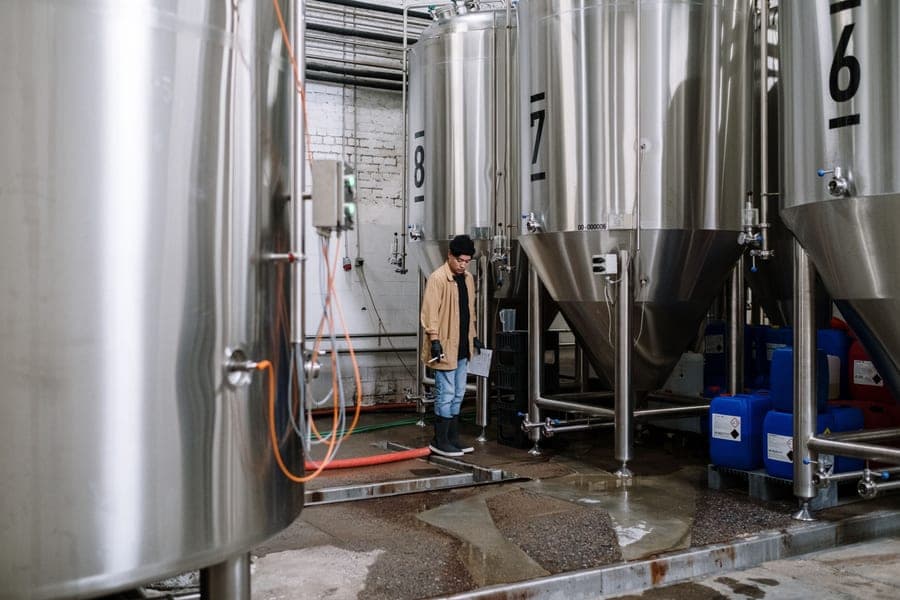
The Best Stainless Conical Fermenters
Welded against formed stainless, and which vessels justify the price.