Comparison
Hop Spider vs Hop Bag
A spider is reusable and does not absorb. Bags are cheap and pack tighter. Neither beats free-floating hops on extraction.
The short answer
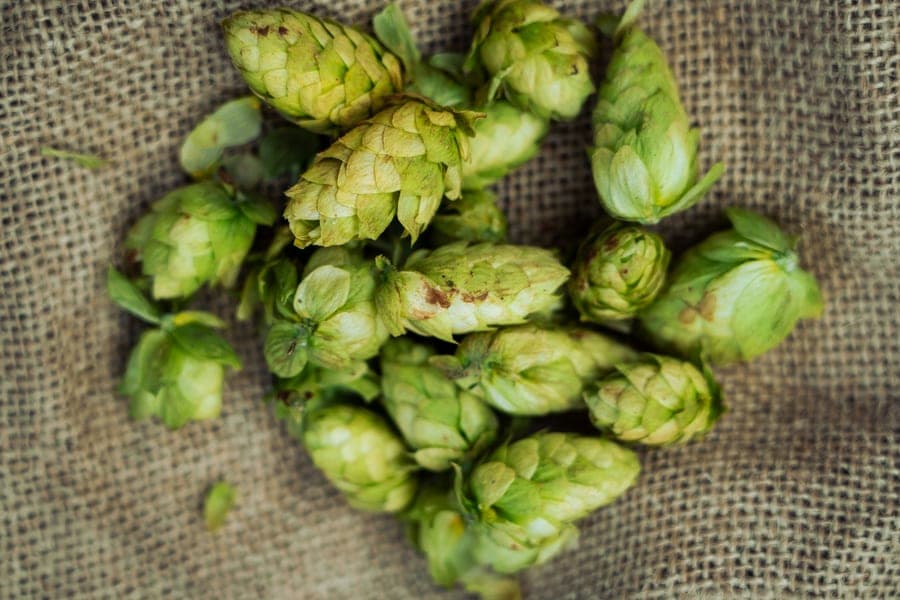
A stainless hop spider is the better long-term choice: it does not absorb hop aroma, rinses clean, and restricts hop movement less than a tightly packed bag. Mesh bags are cheaper and fine for occasional use. Both cost you some hop utilization compared with free-floating pellets.
DisclosureWe earn a commission on qualifying purchases made through links on this page, at no extra cost to you. It does not change what we recommend or how we rank it -- here is how we pick and here is the full disclosure.
Three approaches to hop debris
| Stainless spider | Nylon bags | Free floating | |
|---|---|---|---|
| Hop utilization | Small loss | Larger loss if packed | Full |
| Protects pump and chiller | Yes | Yes | No |
| Capacity | 8-10 oz | Limited per bag | Unlimited |
| Absorbs aroma between batches | No | Yes | N/A |
| Reusable | Years | Until it tears | N/A |
| Cleaning | Rinses clean | Needs washing | Clean the kettle |
| Separate additions on schedule | Awkward -- one basket | Easy -- one bag each | Easy |
| Works for dry hopping | No | Yes | Yes |
| Cost | Mid | Lowest | Free |
An orange rule marks the better of the two on that row.
The shared cost
Both reduce utilization, and that is honest
Start with what both options have in common: they restrict hop movement, and restricted hops extract less. Alpha acid isomerization depends on contact between hop matter and circulating wort, and a basket or a bag reduces that contact.
The loss is modest and it is real. Anyone selling containment as a free improvement is overselling it. What you are actually buying is equipment protection -- see best hop spiders for the full argument about why that matters.
Which means the first question is not spider or bag. It is whether you need containment at all: if you brew with an immersion chiller and no pump, free-floating hops cause you no equipment problems and you keep full utilization.
Where the spider wins
Absorbency and movement
It does not absorb. This is the strongest practical argument and the one people underrate. Nylon mesh takes up hop oils, stains, and carries aroma between batches. Brew a heavily hopped IPA in a bag and the next beer through the same bag starts with a hint of the last. A stainless screen has no absorbency at all -- it rinses clean and carries nothing.
It restricts movement less. A spider is a rigid basket with hops loose inside it, so wort circulates through the mass. A bag packed tight with the same weight of pellets compresses them into a dense plug, and wort flows around rather than through. On utilization, a loosely filled spider beats a tightly packed bag.
It lasts. Bags tear, stretch and eventually get thrown away. A stainless spider is a buy-once item.
Where bags win
Flexibility and dry hopping
Separate additions. A recipe with 60, 20, 10 and flameout additions is four bags you drop in on schedule and remove individually. A spider is one basket that accumulates everything, so your 60-minute hops sit in there until the end whether you want them to or not. For recipes with many timed additions, bags are genuinely more practical.
Dry hopping. A spider lives on the kettle rim and cannot go in a fermenter. A weighted mesh bag can, which makes it the tool for dry hopping in a vessel where you need to remove the hops later -- particularly relevant on a pressure-rated fermenter where you want to avoid opening it more than necessary.
Capacity by multiplication. A spider caps out around 8 to 10 ounces. Four bags can hold more total hops than one spider, each loosely filled, which addresses the heavily-hopped-IPA problem a spider has.
The third option
Filter at the pickup instead
There is an approach that avoids the utilization trade entirely: let the hops float free and filter at the point of exit with a kettle screen or a filter on the pump pickup.
Full extraction, nothing restricting the hops, and the debris gets caught on its way out. The cost is that a screen can clog during the transfer rather than preventing the problem upfront, which means stopping mid-transfer to clear it. Combined with a whirlpool -- letting the trub settle into a cone in the kettle center and transferring from the edge -- it works well, and it is what many brewers with a pump eventually settle on.
Our verdict
Which one should you buy?
Buy a spider if
Stainless Hop Spider (300 Micron)
- You brew regularly with a pump or an inline chiller
- You alternate between hoppy and delicate beers
- You want a buy-once item rather than consumables
- Most of your recipes have two or three hop additions
Use bags if
Reusable Nylon Hop Bags
- Your recipes have many timed additions to remove separately
- You want to dry hop in the fermenter and remove the hops
- You brew heavily hopped beers that exceed a spider's capacity
- You only need containment occasionally
What we recommend
The products on this page
Better long term
Entry tier
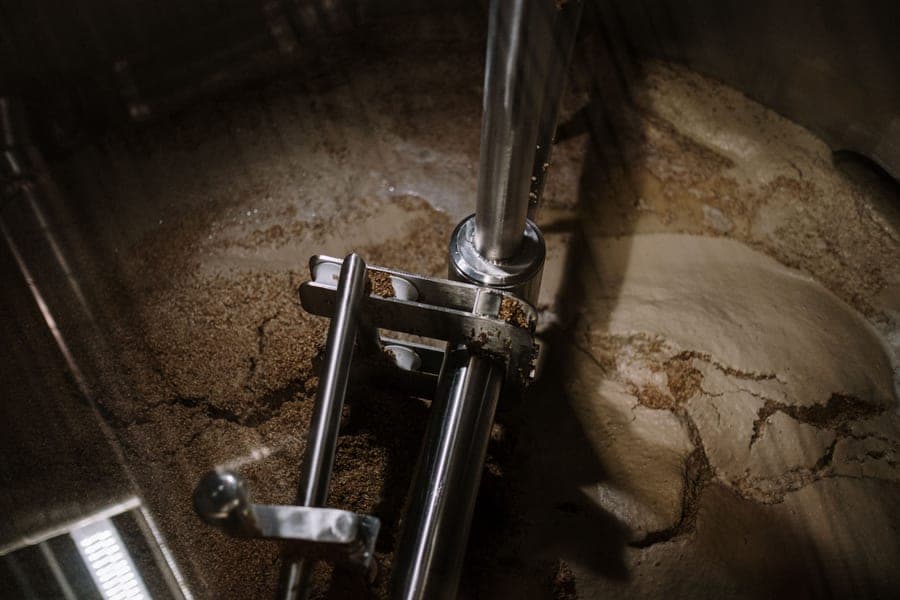
Stainless Hop Spider (300 Micron)
Various
Stainless 300 micron mesh that holds 8 to 10 oz of pellets, absorbs nothing, rinses clean and lasts years. Less movement restriction than a packed bag.
Spec sheet
- Mesh
- 300 micron stainless screen
- Mount
- Rim-hung; fits most 5-15 gal kettles
- Capacity
- Roughly 8-10 oz of pellets
- Benefit
- Keeps pellet debris out of the pump and chiller
- Trade-off
- Restricts hop movement -- see the utilization note
- Cleaning
- No absorbent fabric; rinses clean
What it is not good at
Capacity caps out on a heavily hopped IPA, and it costs more than a handful of bags.
Who it is for
Regular brewers with a pump or inline chiller
Cheaper and more flexible
Entry tier
Reusable Nylon Hop Bags
Various
Fine nylon mesh with drawstrings, usable in the kettle and the fermenter. Multiple bags let you keep additions separate and add them on schedule.
Spec sheet
- Mesh
- Fine nylon
- Use
- Boil and dry hop
- Cost
- Cheapest containment option
What it is not good at
Nylon absorbs and stains, bags tear eventually, and a tightly packed bag restricts hop movement more than a spider does.
Who it is for
Occasional use, dry hopping, and brewers without a pump
What makes containment mandatory
Mid tier
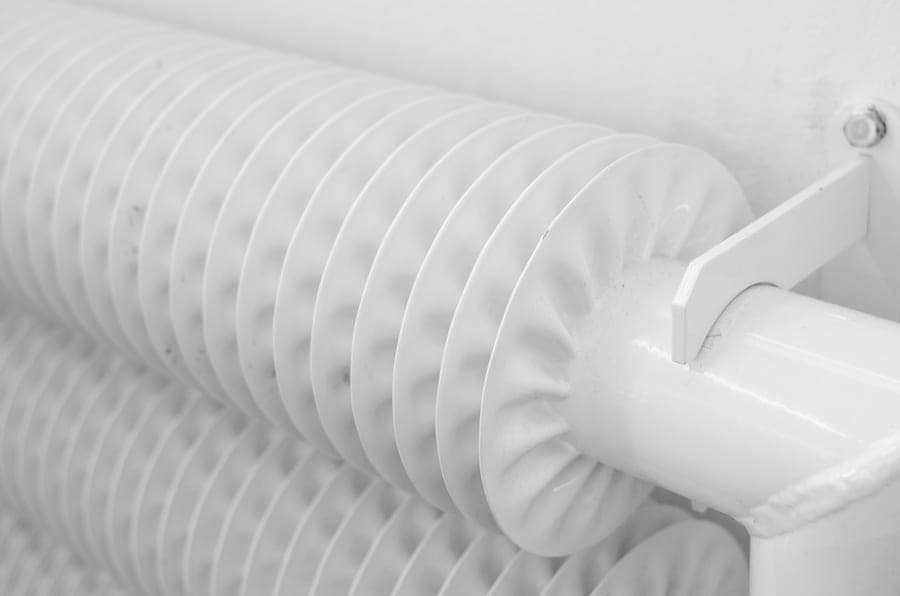
Brazed Plate Wort Chiller (20-30 plate)
Duda / Blichmann
If you run wort through narrow channels, containment is not a preference. A blocked plate chiller is extremely difficult to recover.
Spec sheet
- Type
- Brazed plate heat exchanger, 20-30 plates
- Flow
- Counter-current, single pass
- Footprint
- Smallest of the three chiller types
- Speed
- Fastest per gallon of coolant
- Clog risk
- High -- requires a hop filter upstream
- Cleaning
- Backflush and recirculate; cannot be inspected
What it is not good at
Owning one removes the option of free-floating hops.
Who it is for
Understanding when this stops being optional
FAQ
Questions brewers actually ask
Is a hop spider better than a hop bag?
For regular use, yes. A stainless spider does not absorb hop oils or carry aroma between batches the way nylon does, it restricts hop movement less than a tightly packed bag, and it lasts years rather than tearing. Bags win on flexibility: separate timed additions, dry hopping in the fermenter, and total capacity across several bags.
Do hop bags reduce bitterness?
Slightly, and more if you pack them tight. Alpha acid isomerization depends on contact between hop matter and circulating wort, and a dense plug of compressed pellets lets wort flow around rather than through it. Using more bags each filled to half their volume performs noticeably better than fewer bags stuffed full.
Can you use a hop spider for dry hopping?
No, it hangs on the kettle rim and does not go in a fermenter. For dry hopping you want a weighted mesh bag, which can be dropped into the vessel and retrieved later -- particularly useful on a pressure-rated fermenter where you want to avoid opening it more than necessary.
Do I need to contain hops at all?
Only if hop debris can reach something narrow. With a pump, a plate chiller or a counterflow chiller, containment is close to mandatory because a blocked plate chiller is very difficult to recover. With an immersion chiller and no pump, free-floating hops cause no equipment problems and you keep full utilization.
What is the best way to handle hops without losing utilization?
Let them float free and filter at the point of exit with a kettle screen or pump pickup filter, combined with a whirlpool so the trub settles into a cone in the kettle center and you transfer from the edge. You keep full extraction, at the cost of a screen that can clog during the transfer rather than preventing the problem upfront.
Read next
More on brew day gear
Comparison
Immersion vs Plate vs Counterflow Chiller
Three chiller types compared on speed, clog risk and cleaning confidence.
Roundup
The Best Wort Chillers
Immersion, counterflow and plate chillers compared on the trades that matter.
Guide
How to Clean a Brew Kettle
Alkaline for protein, acid for scale, and why the valve must come apart.
Roundup
The Best Grain Mills for Homebrewing
Grain mills compared on rollers, gap adjustment and build quality.