Guide
Why Use a Conical Fermenter?
Four concrete reasons, and an honest note on the one benefit people assume and do not get.
The short answer
A conical fermenter lets you dump trub out of the bottom mid-fermentation, harvest clean yeast in two stages, and -- on pressure-rated models -- transfer beer to a keg without it meeting air. What it does not do is improve beer quality by itself; fermentation temperature governs that.
DisclosureWe earn a commission on qualifying purchases made through links on this page, at no extra cost to you. It does not change what we recommend or how we rank it -- here is how we pick and here is the full disclosure.
Reason one
Trub separation and the bottom dump
In a flat-bottomed bucket, cold break and dead yeast settle across the whole floor of the vessel. You rack the beer off the top and leave the layer behind. It works, and it means you are siphoning carefully above a bed you cannot see.
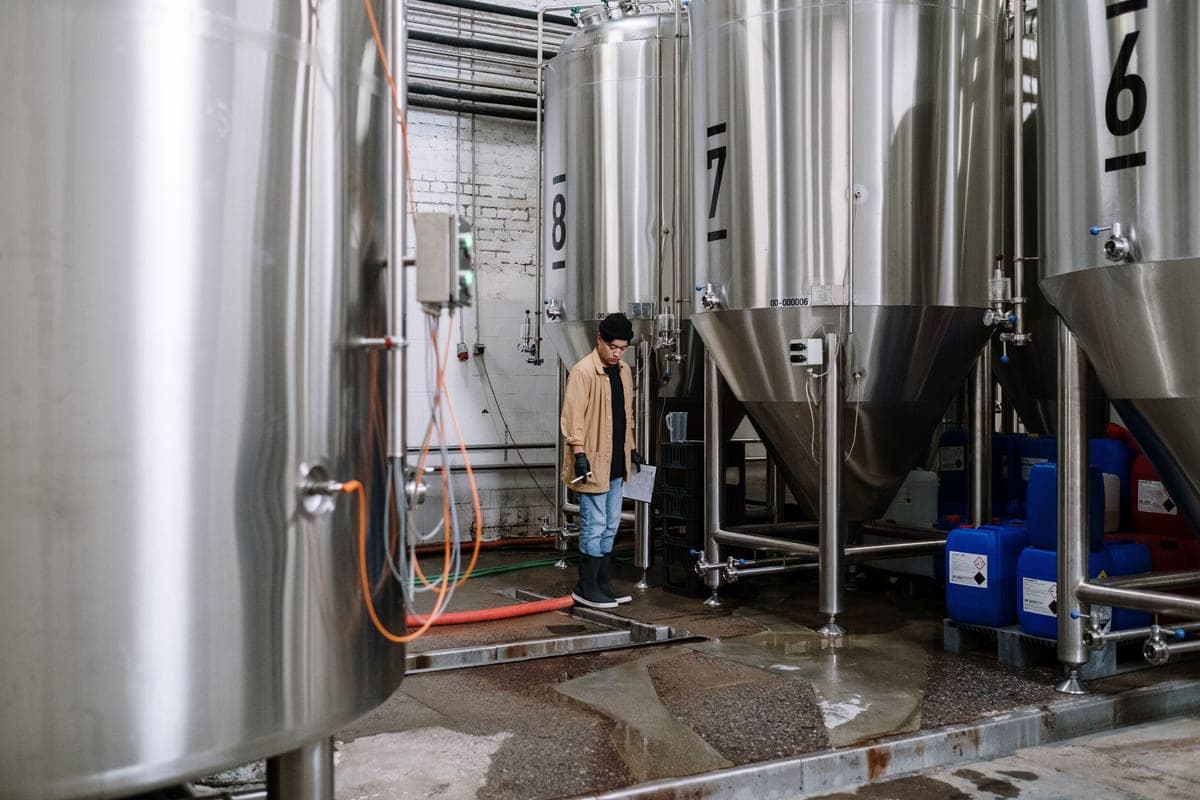
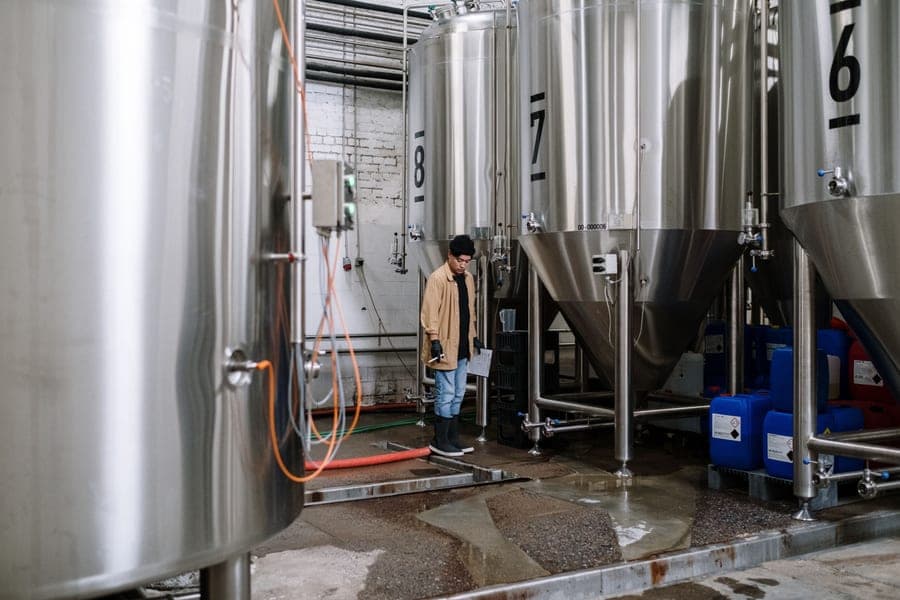
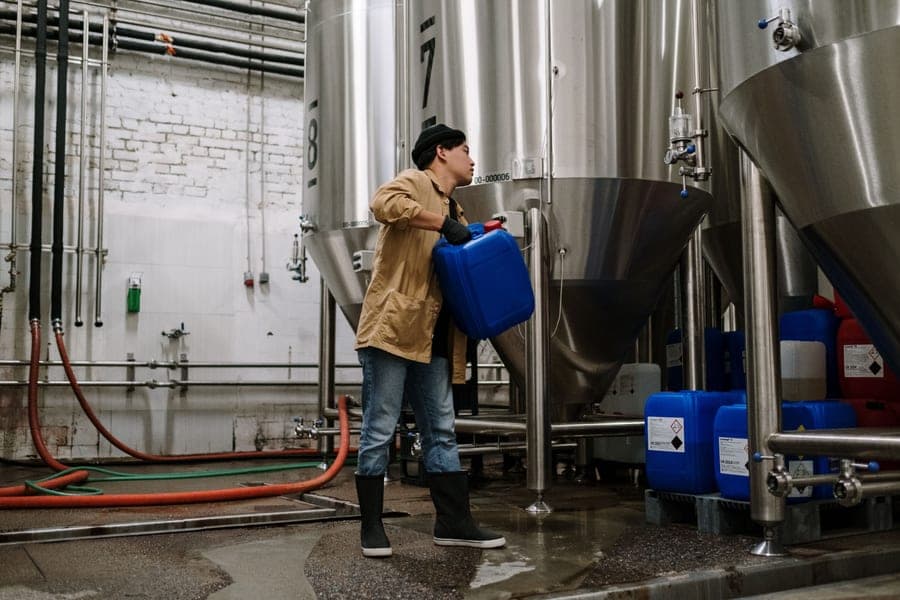
In a cone, the same material slides down the slope and collects in a narrow point at the bottom, where a valve lets you remove it. Dump the trub a day or two into fermentation and the beer spends the rest of its time on a much cleaner bed. The effect on flavor is modest and debated; the effect on how clear your transfer runs is immediate and obvious.
One practical note: the cone has to be steep enough. Forty degrees or more and material slides; much shallower and it sits on the slope, which is why a vessel with a decorative taper is not a conical.
Reason two
Clean yeast harvesting in two stages
This is the reason that saves money, and it is the one most people underrate. A yeast cake in a bucket is a single mixed layer: cold break, dead cells, hop particulate and healthy yeast all together. Harvest from it and you get all four.
In a cone you do it in two steps. A day or two into a vigorous fermentation, dump the first fraction from the valve -- that clears out the trub and the dead cells that settled first. Then, at the end of fermentation, collect the next fraction into a sanitized jar. That second fraction is clean, viable slurry. Refrigerate it and pitch it into your next batch within a couple of weeks.
Healthy harvested slurry frequently outperforms a fresh commercial pack, because you are pitching a far larger and already-adapted population. Across a year of monthly brewing, harvesting is a meaningful saving and a quality gain at the same time. The FermZilla Tri-Conical’s detachable collection butt exists specifically to make this two-stage process easy.
Reason three
Closed transfer, which is really about oxygen
This is the biggest one, and it is worth understanding that it comes from the pressure rating rather than from the cone shape. A rated vessel lets you purge a keg with CO2 and push the beer across under pressure, so it never contacts air at all.
Oxygen degrades hop aroma faster than any other variable in brewing. A hazy IPA that smelled vivid in the fermenter can taste noticeably flatter in the keg three days later, purely from pickup during the siphon. If you brew hoppy beer and you keg, closed transfer is the highest-value change available to you -- bigger than a brewing system, bigger than a glycol chiller.
Note the implication: a non-pressure conical does not give you this. See best pressure fermenters.
Reason four
Pressure fermentation itself
On a rated vessel you can also ferment under 10 to 15 psi, which suppresses the yeast’s ester and fusel production. The practical payoff is that you can ferment clean at warmer temperatures and much faster -- a lager yeast under pressure in the low 60s produces a far cleaner beer than the same yeast at the same temperature at atmospheric pressure.
That removes the need for a dedicated cold chamber for lagers, which is a genuine saving. Mechanism and limits in pressure fermentation explained.
The non-reason
A cone does not make better beer
Worth stating plainly, because a lot of marketing implies otherwise. At the same fermentation temperature, a bucket and a conical produce the same beer. The yeast does not know what shape the vessel is.
What determines flavor is temperature: yeast produces fruity esters and harsh fusel alcohols when it runs warm, and under-attenuates when it runs cold. A bucket held at a steady 66°F beats a stainless unitank in a 76°F garage, every time. If your beer has off-flavors rather than cosmetic issues, the purchase you need is a dual-stage controller, not a vessel.
What we recommend
The products on this page
The straightforward answer
Mid tier
Ss Brewtech Brew Bucket
Ss Brewtech
A 40-degree stainless cone with a rotating racking arm. Does the two non-pressure jobs a conical exists for, and does them durably.
Spec sheet
- Capacity
- 7 gal / 26 L (5 gal batch)
- Cone angle
- 40 degrees
- Valve
- Rotating racking arm, stainless ball valve
- Lid
- Silicone-gasketed, non-pressure
- Material
- Polished 304 stainless
- Pressure rated
- No
What it is not good at
Not pressure rated, so it does not enable closed transfer -- the reason most kegging brewers end up wanting a different vessel.
Who it is for
Brewers who want trub separation and clean racking
If yeast harvesting is the reason
Mid tier
FermZilla Tri-Conical 27 L
KegLand
The detachable collection butt makes proper two-stage harvesting easy: dump the trub fraction, collect clean slurry from the next.
Spec sheet
- Capacity
- 27 L / 7.1 gal (also 55 L)
- Cone
- Detachable collection butt for yeast harvest
- Fitting
- 3 in tri-clover ferrule molded into the tank
- Valve
- Redesigned tri-clover dump valve
- Material
- Clear PET body
- Pressure
- Yes, with the pressure kit
What it is not good at
PET, so a multi-year consumable, and the pressure kit is a separate purchase.
Who it is for
Brewers who repitch yeast between batches
FAQ
Questions brewers actually ask
What are the advantages of a conical fermenter?
Four concrete ones: you can dump trub out of the bottom mid-fermentation, you can harvest clean yeast in two stages rather than scraping a mixed cake, and on pressure-rated models you can ferment under pressure and transfer to a keg without the beer meeting air. The first two are convenience and cost benefits; closed transfer is a genuine quality gain on hoppy beer.
Does a conical fermenter improve beer quality?
Not by itself. At the same fermentation temperature, a bucket and a conical produce the same beer, because the yeast does not respond to vessel geometry. What a pressure-rated conical does improve is hop aroma retention, via closed transfer under CO2 rather than siphoning through air. Temperature control remains the purchase that most affects flavor.
How steep does a conical fermenter's cone need to be?
Forty degrees or steeper. At shallower angles sediment settles on the slope instead of sliding down to the dump valve, which defeats the purpose of the cone. Steeper cones occupy more vertical space, which is why conicals frequently do not fit chest freezers.
Is yeast harvesting worth the trouble?
If you brew monthly or more, yes. Healthy harvested slurry frequently outperforms a fresh commercial pack because you are pitching a much larger, already-adapted population, and it costs nothing. The requirement is a routine: sanitized jars, refrigeration, and brewing often enough to use the slurry within a couple of weeks before viability drops.
Read next
More on fermenters
Roundup
The Best Conical Fermenters
Stainless, plastic and pressure-capable conicals compared, with chamber-fit warnings.

Guide
How to Use a Conical Fermenter
Fill, dump, harvest, crash, transfer -- with the timings that matter.
Comparison
Conical Fermenter vs Bucket
What a cone adds over a bucket, and when it is the wrong purchase.
Guide
Pressure Fermentation, Explained
The actual mechanism, the psi to use, and what pressure cannot fix.
Roundup
The Best Fermentation Temperature Controllers
Dual-stage controllers compared, with the probe-placement rule that matters most.
Roundup
The Best Stainless Conical Fermenters
Welded against formed stainless, and which vessels justify the price.