Guide
How to Improve Mash Efficiency
Efficiency is four variables and one of them is worth more than the other three. Start at the mill, not at the recipe.
The short answer
The biggest gain in mash efficiency comes from a finer crush -- around 0.037 in / 0.94 mm is a common starting gap -- with the husks left intact. After that, hold mash pH between 5.2 and 5.6, use a generous water to grist ratio, and sparge slowly rather than quickly.
DisclosureWe earn a commission on qualifying purchases made through links on this page, at no extra cost to you. It does not change what we recommend or how we rank it -- here is how we pick and here is the full disclosure.
First
Know which number you are chasing
Two efficiency figures get used interchangeably and they are not the same thing. Mash efficiency is how much of the available sugar you extracted from the grain into the wort. Brewhouse efficiency is how much of it survived everything after that -- boil-off, trub losses, dead space in the kettle, wort left in the pump and hoses -- to end up in the fermenter.
It matters because the fixes are different. If your mash efficiency is fine but your brewhouse number is poor, the problem is not the mash at all: you are leaving wort in your system. That is a plumbing and dead space problem, not a crush problem, and no amount of milling will fix it. Measure both before you change anything.
The big one
Crush gap, and the husk you must not destroy
Crush is where most of the available improvement lives. Grain that is crushed finer exposes more starch to the enzymes and converts more completely; a common recommended starting gap for fly and batch sparging is around 0.037 inches, roughly 0.94 mm. If you buy pre-crushed grain, you are brewing at whatever gap your shop considers safe for every customer, which is usually conservative.
The limit is the husk. Crush too fine and you shred the husks that form the filter bed, and the result is a stuck sparge and -- counter intuitively -- lower efficiency, because wort stops flowing through the bed at all. The target is flour-like endosperm with husks largely intact, which is exactly what a two-roller mill with a properly set gap produces. The grain mill gap settings guide covers how to measure and adjust it.
On a single-vessel electric system a finer crush is safer than it sounds, because the malt pipe and false bottom do more of the filtering than a traditional mash tun does. Many all-in-one brewers run noticeably tighter gaps than a three-vessel brewer would risk.
Chemistry
Mash pH, within a narrow band
Enzymes work best in a narrow pH range. The generally cited target for mashing is 5.2 to 5.6, with around 5.4 as the usual aim, and efficiency falls away quickly once the mash drifts above about 5.7. A pale beer brewed with alkaline tap water will sit high without correction; a dark beer brewed with the same water may land in range on its own, because roasted malts are acidic.
Two practical notes. Pull a sample and cool it to room temperature before you read it with a calibrated meter: 5.2 to 5.6 is a room-temperature figure, a hot sample reads low, and paper strips in colored wort are close to unreadable. Which instrument you use matters more than people expect -- the best pH meters for brewing covers accuracy, compensation and probe life. And make adjustments in the strike water rather than chasing the pH once the mash is in; it is easier to hit the target than to correct it.
Process
Thinner mash, slower sparge, hotter rinse
Water to grist ratio. A thinner mash -- up to about 2:1 by volume to weight -- extracts more readily than a thick one, and a longer mash of 90 minutes gives slower-converting grain bills the time they need. Neither costs anything but attention.
Sparge slowly. This is the second most common fix after crush. Rinsing the grain bed fast pulls wort through channels rather than through the whole bed, so sugar is left behind. A trickle that takes 30 to 50 minutes on a five gallon batch extracts far more than a fast rinse of the same volume.
Mash out and sparge hot. Raising the bed to around 168 degrees Fahrenheit and sparging with water at the same temperature thins the sticky wort so it flows freely. On a system with a pump, that step is a program rather than a bucket of hot water, which is part of why recirculating systems tend to post consistent numbers.
Chase dead space last. Wort left in the mash tun, hoses, pump head and under the false bottom is brewhouse efficiency leaking away. It is worth measuring and worth reducing, but it is a smaller prize than crush and sparge rate, and it is fixed with plumbing rather than process.
Expectations
Chase consistency, not a bigger number
The aim is not the highest efficiency you can reach. It is a number you hit every time, because a recipe built for 72 percent and brewed at 72 percent lands where you designed it. A brewery that swings between 65 and 80 percent produces beers that are randomly stronger or weaker than intended, which is a worse problem than a modest average.
So change one variable at a time and write it down. Tighten the mill gap and brew the same recipe again. Then lengthen the sparge. Then correct the pH. Changing three things at once tells you only that something worked, which is not information you can reuse.
One last thing worth saying plainly: very high efficiency is not a goal in itself. Pushing extraction hard can pull tannin and husk character into the wort, and the grain you saved is the cheapest ingredient in the recipe. Consistent and clean beats maximal.
What we recommend
The products on this page
Mid tier
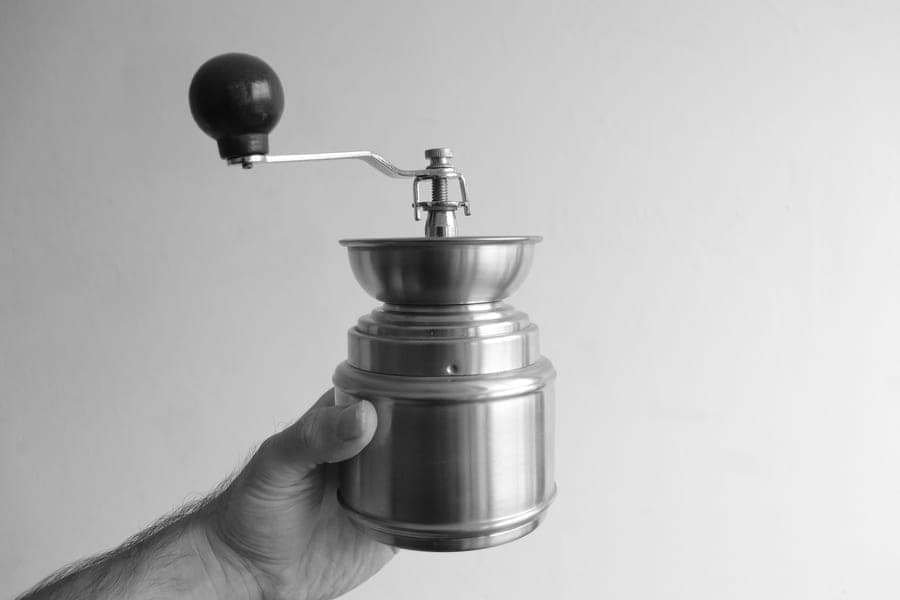
Monster Mill MM2 Two-Roller Grain Mill
Monster Brewing Hardware
Gap adjustable at both ends on 1.5 inch rollers, so you can set a crush and repeat it batch after batch. Buying crushed grain means accepting the shop's gap setting; a mill means the single biggest efficiency variable becomes yours.
Spec sheet
- Rollers
- Two, 1.5 in diameter, knurled
- Gap
- Adjustable on both ends, 0.015-0.070 in
- Drive
- Hand crank or drill at reduced speed
- Build
- Steel, made in USA
- Throughput
- Slower per pound than the MM3
- Best for
- Most homebrewers; the MM3 is for volume
Who it is for
Taking control of the crush, which is the whole game
Mid tier
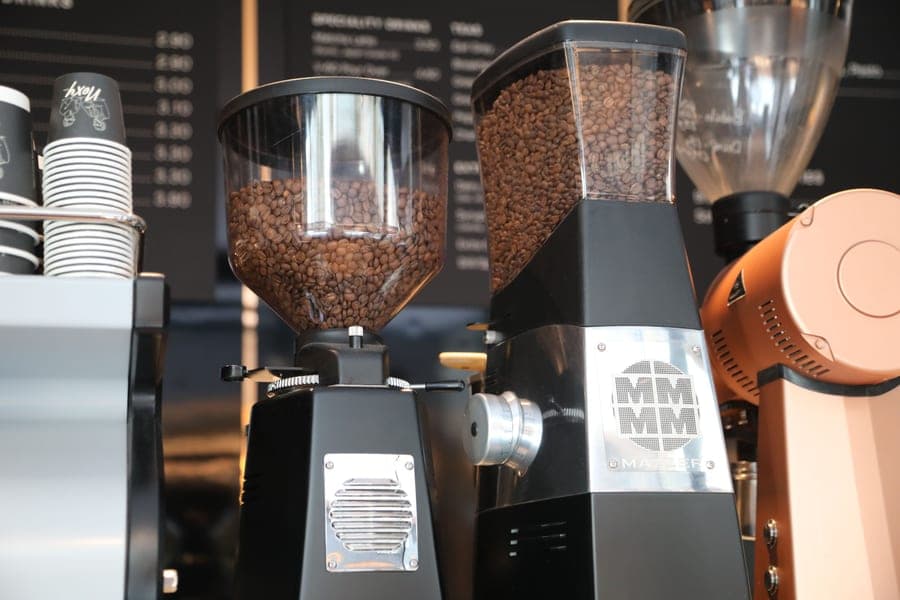
Cereal Killer Grain Mill
Adventures in Homebrewing
An adjustable two-roller mill with a hopper, which is all a five gallon brewer needs to dial in a crush. The cheapest honest route to a repeatable gap setting.
Spec sheet
- Rollers
- 2, 1.25 in diameter
- Gap
- 0.025-0.1 in adjustable
- Hopper
- 7 lb included
Who it is for
An adjustable mill without the full outlay
Prosumer tier
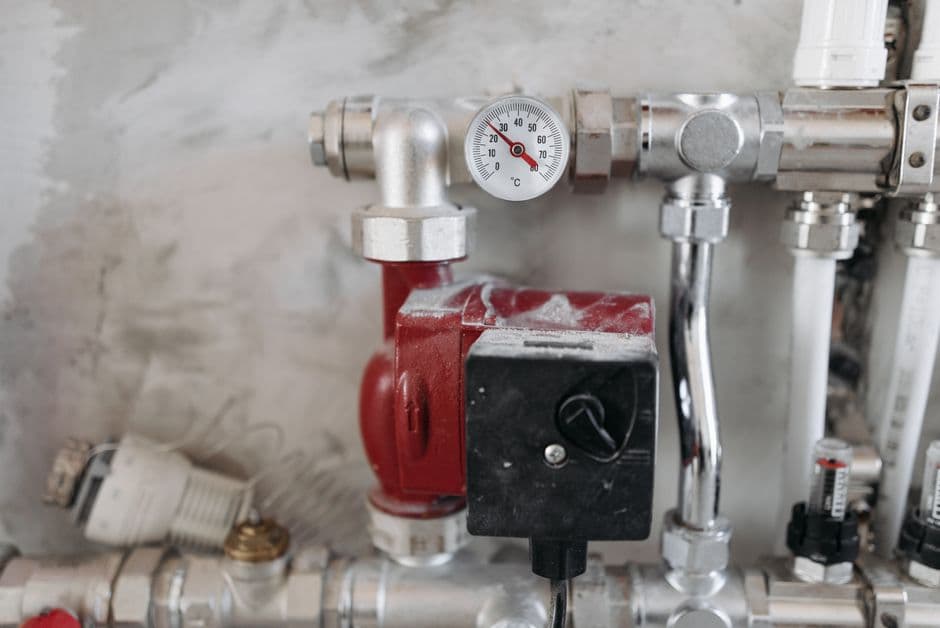
Chugger X-Dry Inline Pump, Stainless Head
Chugger Pumps
Seven gallons per minute and a stainless head rated to 250 degrees Fahrenheit, which is what recirculating a mash safely requires. An evenly heated, evenly rinsed grain bed is doing the same job as a longer mash.
Spec sheet
- Flow rate
- 7 GPM (manufacturer rating)
- Max head
- 18.6 ft
- Motor
- 115V, 1.4 A, 1/20 HP, 3500 RPM
- Ports
- 1/2 in MPT inlet and outlet
- Temperature
- Stainless fittings rated to 250 F
- X-Dry feature
- Run-dry protection against cavitation damage
Who it is for
Recirculating a mash so the whole bed converts evenly
FAQ
Questions brewers actually ask
What is a good mash efficiency for homebrewing?
Most homebrewers settle somewhere in the 70s, and the exact figure matters far less than hitting the same number every brew day. A recipe designed around your real efficiency lands on target; a brewery that swings ten points produces unpredictable beers.
What crush gap should I use for better efficiency?
A commonly recommended starting gap for fly and batch sparging is about 0.037 inches, roughly 0.94 mm. Adjust from there based on how your bed drains. The goal is flour-like endosperm with husks largely intact, because the husks form the filter bed.
Does mash pH really affect efficiency?
Yes. The usual target range is 5.2 to 5.6, around 5.4, and extraction falls away quickly above about 5.7. Adjust in the strike water rather than correcting the mash afterwards, and measure with a calibrated meter rather than paper strips.
Why does sparging slowly improve efficiency?
Fast sparging pulls water through channels in the grain bed instead of rinsing the whole bed evenly, so sugar is left behind. A slow trickle taking 30 to 50 minutes on a five gallon batch extracts considerably more from the same volume of water.
Is higher mash efficiency always better?
No. Pushing extraction very hard risks pulling tannin and husk character into the wort, and the grain you save is the cheapest ingredient in the recipe. Consistency is worth more than a high number, because recipes are designed around the efficiency you actually get.
Sources
Read next
More on brewing systems
Roundup
The Best Grain Mills for Homebrewing
Grain mills compared on rollers, gap adjustment and build quality.
Comparison
Grainfather G30 vs G40
The 30 L and 40 L Grainfather systems compared on finished batch size, grain capacity, included kit and footprint.
Guide
All-Grain Brewing Equipment List
The full list in three tiers, with the sizes that matter and the things to skip.
Roundup
The Best Electric All-in-One Brewing Systems
Five all-in-one systems compared on finished volume, voltage and parts support.
Roundup
The Best All-Grain Brewing Systems
Single-vessel, hybrid and welded all-grain approaches compared on time, space and cost.