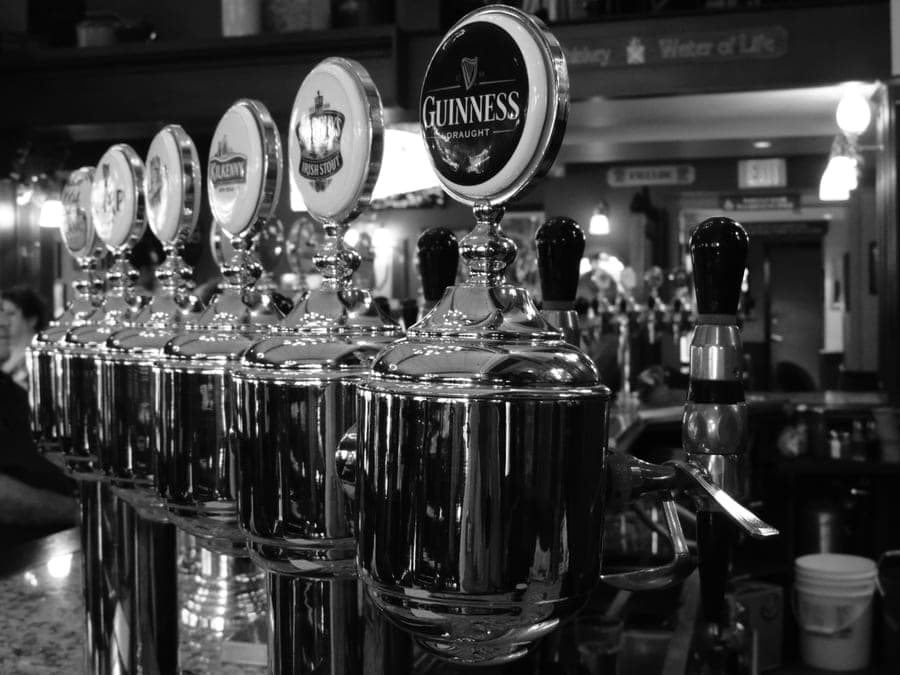
Comparison
Kegerator vs Jockey Box
These are not alternatives. One keeps kegs cold at home; the other pours cold beer from a warm keg at a party.
The short answer
A kegerator refrigerates the keg itself for everyday serving at home. A jockey box chills beer as it passes through an ice-bathed coil, so you can pour cold pints from a warm keg at an outdoor event with no power. Most brewers who entertain end up owning both.
DisclosureWe earn a commission on qualifying purchases made through links on this page, at no extra cost to you. It does not change what we recommend or how we rank it -- here is how we pick and here is the full disclosure.
These get compared because both dispense draft beer, which hides the fact that they solve different problems. A kegerator chills the beer in storage. A jockey box chills it in transit, in the seconds between the keg and the faucet.
Different problems, different tools
| Kegerator | Jockey box | |
|---|---|---|
| What it chills | The keg | The beer as it flows |
| Power required | Mains | None |
| Portable | No | Yes |
| Keg stays cold | Yes | No, sits outside |
| Carbonation stability | Stable | Drifts as the keg warms |
| Consumables | Electricity | 20-40 lb ice per session |
| Setup time at an event | Not applicable | Minutes |
| Best use | Daily serving at home | Outdoor events, no power |
An orange rule marks the better of the two on that row.
How a jockey box works
And why it only works while pouring
Inside the cooler is a long stainless coil -- typically 50 to 120 feet -- sitting in an ice-water bath. Beer enters warm at one end and comes out cold at the faucet, because the coil gives it enough contact time with the ice water to drop twenty or thirty degrees in a few seconds.
That is a genuinely clever solution to a specific problem: pouring cold beer at a park, a wedding or a tailgate with no power available. It is also only a solution while beer is moving. The keg itself sits in the sun warming up, and a warming keg means the dissolved CO2 comes out of solution, which means the beer gets foamier and flatter as the session goes on.
- Ice matters more than people plan for. Twenty to forty pounds for a long session, and ice water is better than ice alone because water conducts heat into the coil far better than air gaps between cubes.
- Bump the serving pressure. A long coil has substantial resistance, so you typically need a higher pressure than a kegerator line to get a reasonable flow rate. Expect to experiment.
- Keep the keg shaded. A wet towel over the keg, or a keg in a tub of ice if you can manage it, slows the drift.
- Pre-chill the beer if you can. A keg that starts cold stays usable much longer than one that starts at ambient.
The practical answer
Which one to buy first
Buy the kegerator first, essentially always. It is the setup you use every week, it holds carbonation stable, and it is the thing that makes kegging better than bottling in the first place. Start with best kegerators for homebrew or, if it is going in a garage, build a keezer instead.
Add a jockey box when you actually have events to pour at. It is a specialized tool, it is cheap relative to a kegerator, and it is useless the other 360 days of the year -- which is fine, because that is what specialized tools are like.
Our verdict
Which one should you buy?
Buy a kegerator if
Kegco Full-Size Digital Kegerator
- This is your everyday serving setup
- You want stable carbonation and a consistent pour
- There is power and floor space where it will live
Add a jockey box if
Coil Jockey Box Cooler
- You pour at outdoor events without power
- You already have a kegerator at home
- You can carry 20 to 40 lb of ice to the venue
What we recommend
The products on this page
For home
Mid tier
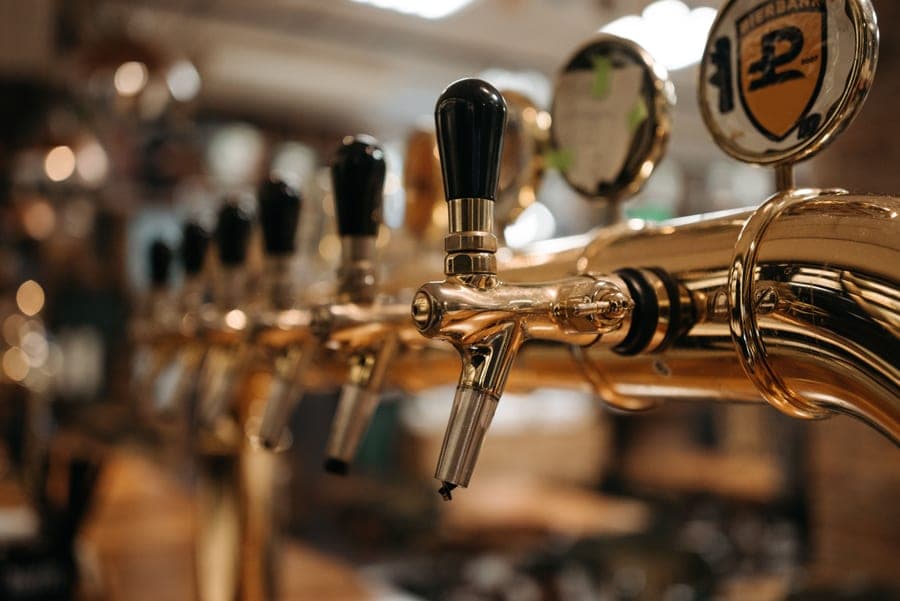
Kegco Full-Size Digital Kegerator
Kegco
Refrigerates the keg, so the beer is cold, stable and correctly carbonated at all times. The right answer for the setup you pour from daily.
Spec sheet
- Keg capacity
- 1 half barrel, or 4 ball-lock corny kegs
- Control
- Digital thermostat
- Temperature range
- Draft serving range
- Taps
- Single, dual and triple configurations sold
- Gas
- CO2 regulator included on most SKUs
- Mobility
- Casters
What it is not good at
Needs mains power and does not move. Carrying a kegerator to a party is not a plan.
Who it is for
Everyday serving where there is power and floor space
For away
Mid tier
Coil Jockey Box Cooler
Coldbreak / various
An ice bath over a long stainless coil chills beer in transit, so a warm keg pours cold pints. No power needed at all.
Spec sheet
- Cooling method
- Ice-water bath over a 50-120 ft coil
- Taps
- 1 to 4 faucets
- Power
- None -- ice only
- Ice use
- 20-40 lb for a long serving session
- Keg location
- Keg sits outside, warm
- Limitation
- Chills in transit, not in storage
What it is not good at
Needs 20 to 40 lb of ice for a long session, and the keg sitting outside warms up -- carbonation drifts and the last pours are different from the first.
Who it is for
Outdoor events, parties and anywhere without power
What both use
Entry tier
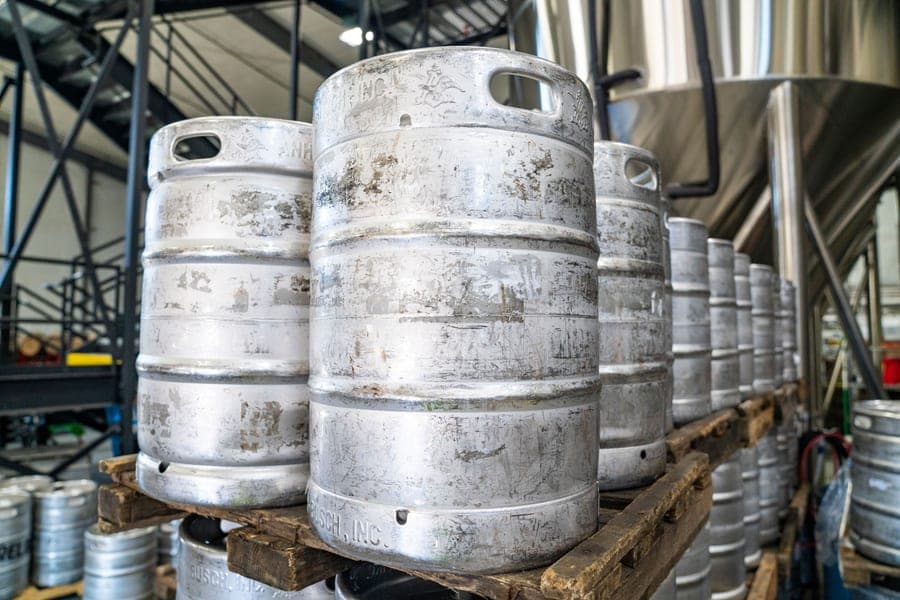
5 Gallon Ball Lock Corny Keg
AMCYL / NSI
Standard 5 gallon ball-lock cornies work in a kegerator and feed a jockey box from outside. A second keg is the cheapest capacity upgrade for either.
Spec sheet
- Capacity
- 5 gal / 19 L
- Height
- ~25 in (26 in with posts)
- Diameter
- ~8.5 in
- Connection
- Ball lock gas and liquid posts
- Pressure rating
- 130 psi typical, 55 psi working
- Lid
- Oval pry-out lid with a PRV
What it is not good at
At 55 lb full, a keg is a two-hand lift. Plan transport for events.
Who it is for
Either setup
FAQ
Questions brewers actually ask
What is a jockey box?
A cooler containing a long stainless coil -- typically 50 to 120 feet -- sitting in an ice-water bath. Beer enters warm from a keg outside the box and comes out cold at the faucet, because the coil gives it enough contact time with the ice water to drop twenty or thirty degrees in seconds. It needs no power at all.
Can a jockey box replace a kegerator?
No, they solve different problems. A kegerator refrigerates the keg so the beer is cold and correctly carbonated at all times; a jockey box only chills beer while it is flowing, and the keg itself sits outside warming up. That means carbonation drifts over a session and the last pours differ from the first. A jockey box is an event tool, not a daily one.
How much ice does a jockey box need?
Twenty to forty pounds for a long serving session. Use ice water rather than ice alone: water conducts heat into the coil far more effectively than the air gaps between dry cubes, so the same quantity of ice chills better when it is partly melted and topped with water.
What pressure should I use with a jockey box?
Higher than a kegerator line, because a 50 to 120 foot coil has substantial flow resistance. Exactly how much higher depends on the coil length and diameter, so expect to experiment on the day: start a few psi above your usual serving pressure and increase until the flow rate is workable without becoming foamy.
Do I need a jockey box for a backyard party?
Often not. For a few hours in the garden, a keg sitting in a tub of ice water with a picnic tap works well: the ice bath chills the keg itself so carbonation stays roughly stable, and there is no coil to clean afterwards. A jockey box earns its place when you cannot ice the keg or you are serving a crowd for hours.
Read next
More on kegging
Roundup
The Best Kegerators for Homebrew
Kegerators compared on corny capacity, internal height and temperature range.
Comparison
Kegerator vs Keezer: Which Should You Build?
Kegs per dollar, insulation and build effort, compared properly.
Guide
CO2 Regulator Settings: PSI by Temperature and Style
PSI by temperature and style, with the line-balancing numbers.
Roundup
The Best Homebrew Keg Systems
What a kegging kit includes, what it omits, and the complete cost.