Review
KOMOS Kegerator and Kegging Kit Review
Designed for homebrewers rather than adapted for them. The temperature range is the feature worth the premium.
The short answer
The KOMOS kegerator is the best kegerator for homebrewers because its extended 26-82 degree Fahrenheit range means the same cabinet serves beer at 38F or holds a fermenter at 68F. It takes one half barrel or four ball-lock cornies and most SKUs ship with stainless Intertap forward-sealing faucets.
DisclosureWe earn a commission on qualifying purchases made through links on this page, at no extra cost to you. It does not change what we recommend or how we rank it -- here is how we pick and here is the full disclosure.
The headline feature
26 to 82 degrees Fahrenheit
Nearly every kegerator on the market runs roughly 32 to 45°F, because serving beer is the only job it was designed for. The KOMOS units carry an extended-range digital controller spanning the high 20s to the low 80s, and that single specification is the reason to buy one.
At the cold end it reaches lagering and cold-crash territory. At the warm end it reaches ale fermentation temperatures. Which means one cabinet can be:
- A serving kegerator at 38°F, holding four cornies on tap.
- A fermentation chamber at 66°F, holding a fermenter while the beer works.
- A lagering fridge at 32°F, cold-conditioning a keg for weeks.
For a brewer whose constraint is floor space or budget for one appliance, that flexibility is worth more than any other feature in the category. It is why this is our best overall pick in best kegerators for homebrew.
The honest caveat
Dual-purpose, not simultaneous
Worth being clear about: the cabinet holds one temperature at a time. Using it as a fermentation chamber at 66°F means the kegs inside it are also at 66°F, which is not how you want to serve beer. So the flexibility is sequential -- serve for a few weeks, ferment for two, serve again -- rather than both at once.
If you want to ferment and serve simultaneously, the cheaper route is often two appliances: a basic serving kegerator plus a chest freezer with an external controller as a dedicated chamber. That is frequently less money in total and does both jobs at once. The KOMOS wins specifically when you have room for one appliance.
The rest of the hardware
Faucets, capacity, regulator
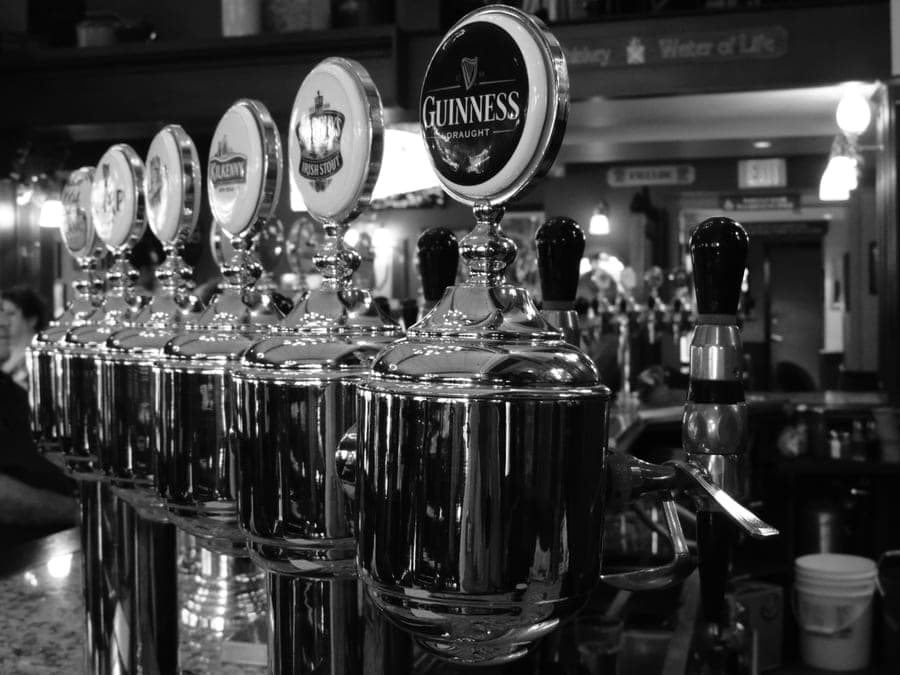
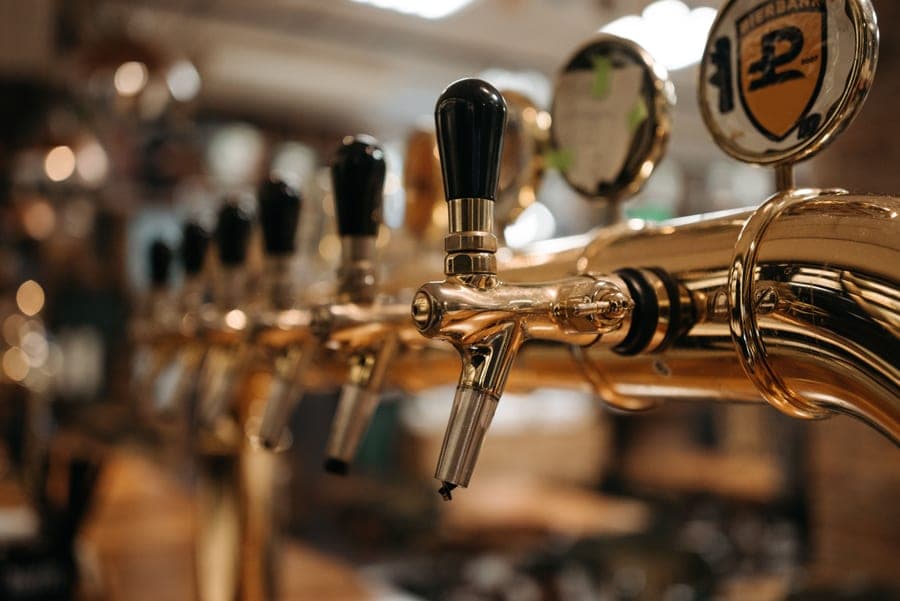
- Intertap faucets on most SKUs. Forward-sealing stainless, which means no beer sits in the faucet body between pours. On a budget cabinet this is the first upgrade you make; here it is standard, which closes part of the price gap.
- One half barrel or four ball-lock cornies. Standard full-size capacity. Check the internal height against a corny with a disconnect fitted -- roughly 27 inches, not the 25 the keg measures bare.
- Regulator included, casters fitted. As with any multi-keg setup, one regulator means one pressure for all kegs. Add a secondary manifold if you want a stout and a saison to both be correct.
Verdict
Who should buy it
Buy the KOMOS if you have room for one appliance and want it to serve beer and ferment batches, or if having forward-sealing stainless faucets as standard matters to you. The extended temperature range is a real capability that almost nothing else in the category offers.
Buy a cheaper cabinet plus a converted chest freezer if you want to do both jobs at the same time, or if total cost matters more than footprint -- kegerator vs keezer and best fermentation chambers cover that route.
What we recommend
The products on this page
Reviewed here
Prosumer tier
KOMOS Kegerator
KOMOS
One half barrel or four ball-lock cornies, a 26-82 F extended-range digital controller, stainless Intertap faucets on most SKUs, casters and a regulator included.
Spec sheet
- Keg capacity
- 1 half barrel or 4 ball-lock corny kegs
- Temperature range
- 26-82 F -- unusually wide
- Secondary use
- Doubles as a fermentation chamber
- Control
- Extended-range digital controller
- Taps
- Stainless Intertap faucets on most SKUs
- Mobility
- Casters, regulator included
What it is not good at
A clear premium over a basic serving cabinet. Using it as a fermentation chamber means you are not serving from it that week, so it is dual-purpose rather than simultaneous.
Who it is for
Brewers with room for one appliance that must serve and ferment
Cheaper alternative
Mid tier
Kegco Full-Size Digital Kegerator
Kegco
Does the serving job properly for less, in single, dual and triple tap configurations.
Spec sheet
- Keg capacity
- 1 half barrel, or 4 ball-lock corny kegs
- Control
- Digital thermostat
- Temperature range
- Draft serving range
- Taps
- Single, dual and triple configurations sold
- Gas
- CO2 regulator included on most SKUs
- Mobility
- Casters
What it is not good at
Serving range only, and stock faucets are typically rear-sealing.
Who it is for
Brewers who only need serving temperatures
Still needed at two taps
Prosumer tier
Secondary CO2 Regulator Manifold
Taprite / Duotight
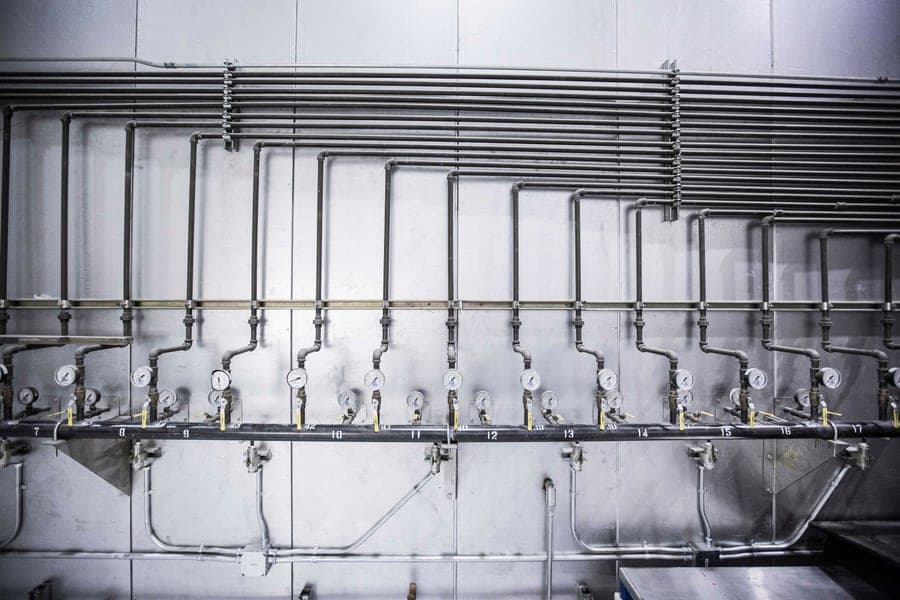
The included regulator sets one pressure for everything downstream. A manifold gives each keg its own.
Spec sheet
- Outputs
- 2, 3 or 4 bodies
- Adjustment
- Each body set independently
- Feed
- Runs off the primary regulator
- Gauges
- One per body on gauged versions
- Shutoff
- Per-body shutoff on most models
- Why
- Serve a stout at 8 psi beside a saison at 14
What it is not good at
Takes interior space in a cabinet already carrying four kegs.
Who it is for
Running more than one keg
The alternative strategy
Mid tier
Chest Freezer Fermentation Chamber (with controller)
Chest freezer + Inkbird
A chest freezer plus a controller as a dedicated fermentation chamber, alongside a cheaper serving kegerator. Often cheaper in total and lets you do both at once.
Spec sheet
- Approach
- Chest freezer with an external dual-stage controller
- Capacity
- 5-7 cu ft fits one or two 5 gal fermenters
- Range
- Lager temps through a 32 F cold crash
- Heat side
- Pair with a wrap heater for winter ale temps
- Energy
- Cheapest running cost per degree of any method
- Limitation
- Vessel height is the binding constraint
What it is not good at
Two appliances, two footprints, and one of them is a conversion rather than a product.
Who it is for
Brewers who would rather have two cheap appliances than one versatile one
FAQ
Questions brewers actually ask
What temperature range does a KOMOS kegerator have?
Roughly 26 to 82 degrees Fahrenheit, which is unusually wide for a kegerator. Most cabinets run 32 to 45 degrees because serving is the only job they were designed for. The extended range means a KOMOS can hold beer at serving temperature, hold a fermenter at ale temperature, or cold-condition a keg near freezing.
Can a KOMOS kegerator ferment and serve at the same time?
No, it holds one temperature at a time. Running it at 66 degrees to ferment means any kegs inside are also at 66 degrees, which is not a serving temperature. The flexibility is sequential rather than simultaneous: serve for a few weeks, ferment for two, serve again. For both at once you want two appliances.
Is a KOMOS kegerator worth the extra money?
If you have room for one appliance, yes. The extended temperature range genuinely replaces a second appliance, and the stainless forward-sealing Intertap faucets that most SKUs include are the first upgrade you would otherwise buy for a budget cabinet. If you have space for two appliances, a cheaper kegerator plus a converted chest freezer is often less in total.
How many kegs does a KOMOS kegerator hold?
One half barrel or four 5 gallon ball-lock corny kegs, which is standard full-size capacity. As with any cabinet, verify the internal height rather than trusting the keg count: a corny with posts and a ball lock disconnect fitted stands around 27 inches rather than the 25 inches the keg measures bare.
Should I use the kegerator's own sensor when fermenting in it?
Prefer a probe on the fermenter if you can. The cabinet's sensor reads air temperature, and active fermentation generates enough heat that beer in a 66 degree cabinet can sit several degrees warmer. Taping an external controller's probe to the fermenter wall under a scrap of insulation measures the beer rather than the air, which is what actually matters.
Sources
Read next
More on kegging
Roundup
The Best Kegerators for Homebrew
Kegerators compared on corny capacity, internal height and temperature range.
Comparison
Kegerator vs Keezer: Which Should You Build?
Kegs per dollar, insulation and build effort, compared properly.
Roundup
The Best Fermentation Chambers
Chest freezer, upright fridge or build -- compared on height and running cost.

Guide
Fermentation Temperature Control
Target temperatures, probe placement and the first 48 hours that decide flavor.
Roundup
The Best Homebrew Keg Systems
What a kegging kit includes, what it omits, and the complete cost.