Roundup
Gifts for the Homebrewer Who Has Everything
They do not have everything. Here are the four things well-equipped brewers consistently do not own, and why.
The short answer
A well-equipped homebrewer usually still lacks four things: a Tilt bluetooth hydrometer, a spare keg, a secondary CO2 regulator manifold, and a cooling coil or glycol setup. All four are upgrades brewers know about and keep not justifying, which is exactly what makes them good gifts.
DisclosureWe earn a commission on qualifying purchases made through links on this page, at no extra cost to you. It does not change what we recommend or how we rank it -- here is how we pick and here is the full disclosure.
At a glance
Quick picks
| # | Product | Best for | Price |
|---|---|---|---|
| 1 | 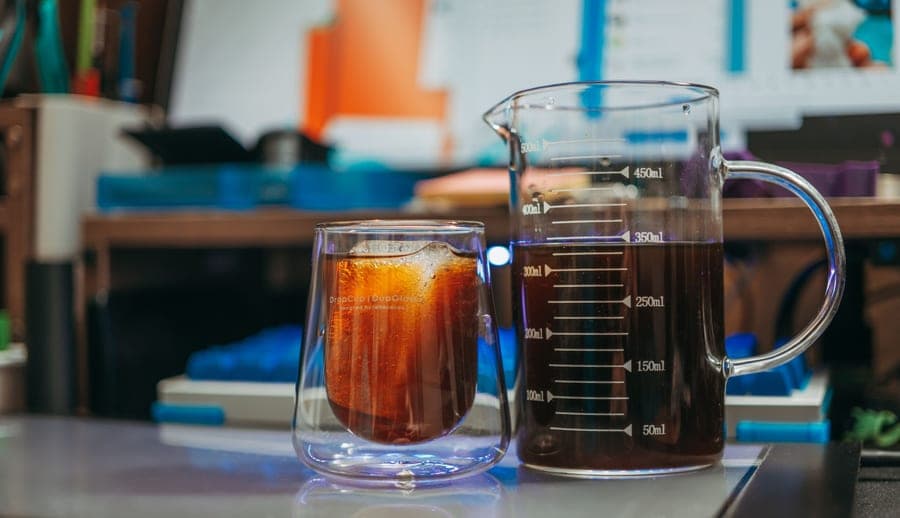 Best overall for this brewer Tilt Bluetooth Hydrometer and Thermometer Floats in the fermenter and reports gravity and temperature to their phone continuously, turning guesswork into a readable curve. Almost nobody buys one for themselves. | A data-minded brewer who already controls temperature | |
| 2 | 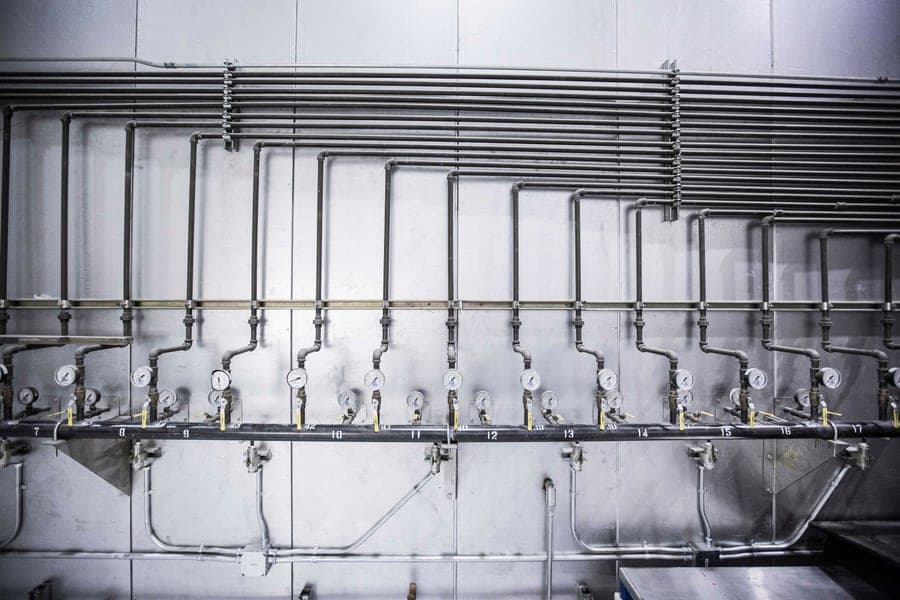 Best gift for a multi-tap setup Secondary CO2 Regulator Manifold Lets each keg sit at its own pressure, so a stout and a saison can both be correct. A real fix for a problem they have definitely noticed and definitely not solved. | A brewer with two or more kegs on one regulator | |
| 3 | 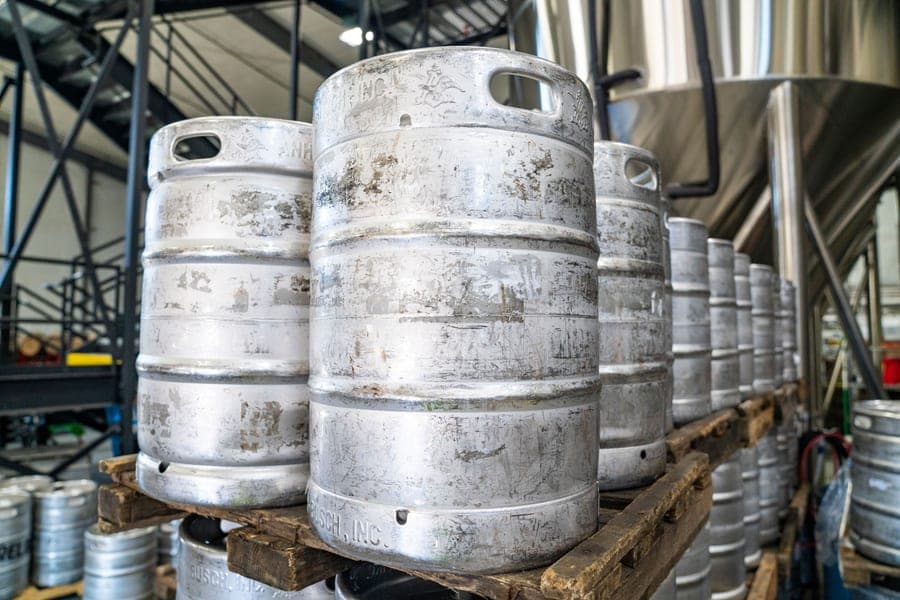 Always welcome 5 Gallon Ball Lock Corny Keg Brewers are permanently one keg short, because a keg in service blocks the next batch. Three kegs means one serving, one carbonating and one free. | Any kegging brewer | |
| 4 | 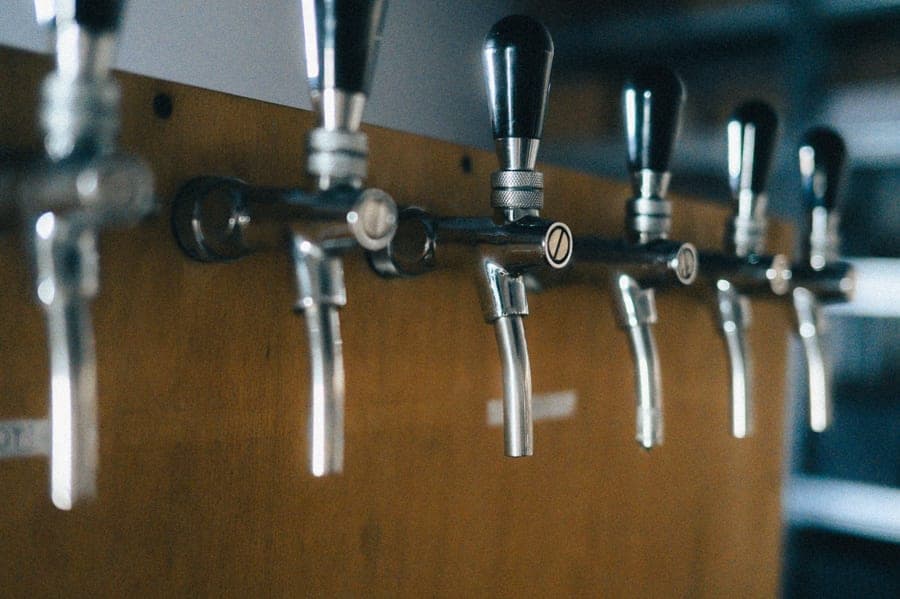 Best small upgrade Intertap Stainless Forward-Sealing Faucet Forward-sealing stainless means no beer sits in the faucet body between pours. Even well-equipped brewers often never got round to replacing the stock tap. | Anyone still running a stock rear-sealing faucet | |
| 5 | 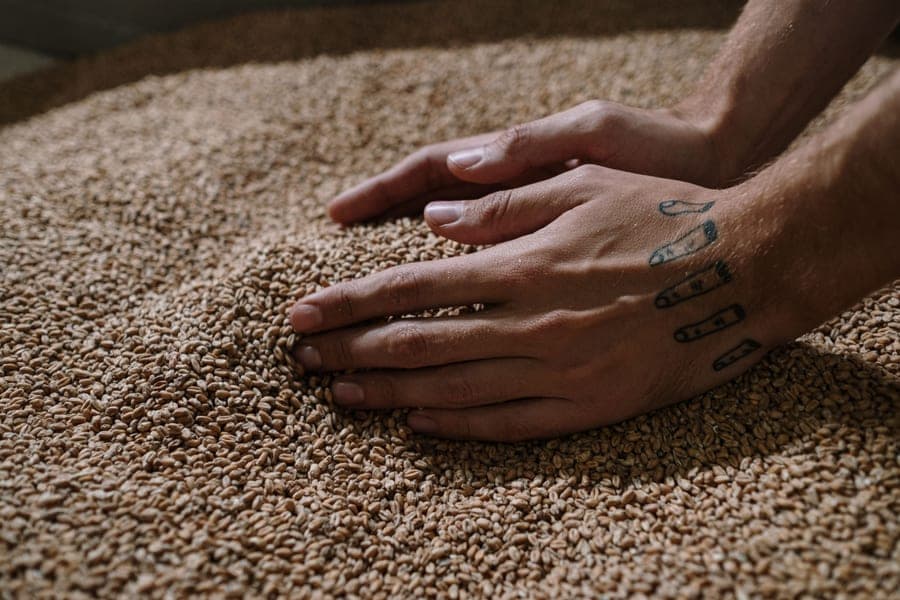 The genuine luxury Monster Mill MM3 Three-Roller Grain Mill Three rollers crush in two gentler stages, which keeps husk intact at tight gaps and raises throughput. A real upgrade for someone milling in bulk. | A high-volume all-grain brewer who owns a two-roller mill | |
| 6 |  The big one Penguin Chillers Glycol Chiller Cools the vessel directly rather than cooling a box of air, which removes the chamber-height constraint entirely and crash cools in hours rather than a day. | A brewer whose fermenter does not fit any chamber they own |
Prices are checked on Amazon when you click. We never print a number we cannot verify.
The premise
They do not actually have everything
“They have everything” is almost never true of a homebrewer. What is true is that they have everything obvious -- the vessels, the kettle, the controller, the kegging setup -- and have stalled at a specific set of upgrades that are easy to justify skipping.
That is exactly what makes a good gift here. The four categories below are things brewers know about, have read about, and have repeatedly decided to buy later. A gift bypasses the justification entirely.
One
A Tilt bluetooth hydrometer
The strongest pick in this category, for a specific reason: it is a diagnostic instrument rather than a necessity, and brewers almost never buy themselves nice-to-haves.
It floats in the fermenter and reports gravity and temperature continuously to a phone app, which turns “I think it finished” into a visible curve. A flat line for 48 hours is the only reliable sign fermentation is complete, and a plateau partway down shows a stall while there is still time to act. It also reports the beer’s actual temperature, which is frequently several degrees warmer than their chamber reports.
The one thing to verify: it only makes sense for a brewer who already controls fermentation temperature. See the Tilt hydrometer review.
Two
Kegs, and gas distribution
Two closely related gifts, both reliably absent from otherwise complete setups.
A spare keg
Brewers are permanently one keg short, and it is structural rather than an oversight. A keg in service blocks the next batch, so their brewing cadence gets set by their drinking cadence. Three kegs is the number that works -- one serving, one carbonating, one free.
A secondary regulator manifold
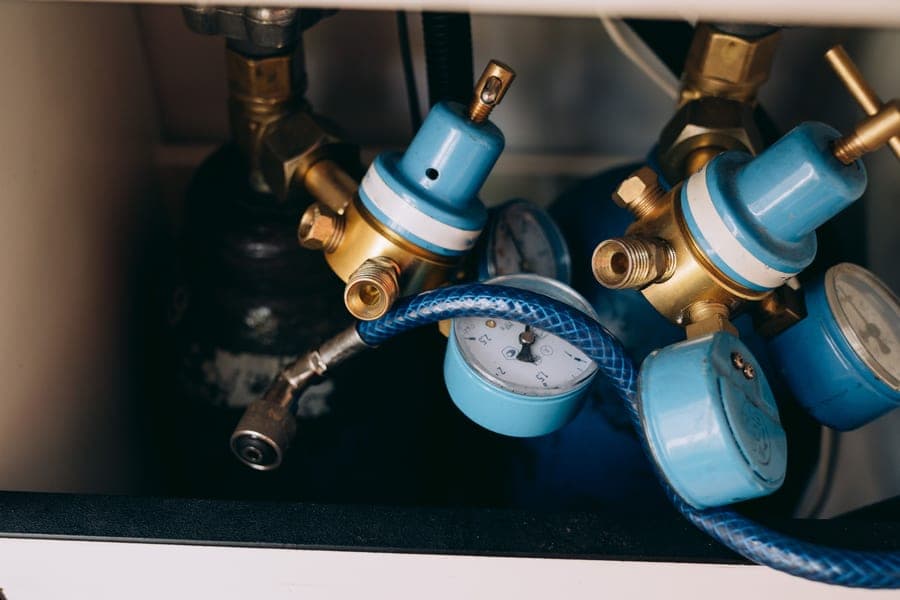
This is the sharper gift, because it fixes a problem they have definitely noticed. With two or more kegs on one regulator, every beer shares a pressure -- and a stout wants around 8 psi while a saison wants 14 or more. One of their beers is always wrong, and they have probably been living with it.
A manifold gives each keg an independently adjustable body, and lets them force carbonate a new keg without over-carbonating the one they are serving. See best CO2 regulators.
Three
A forward-sealing faucet
Small, cheap relative to this category, and genuinely often missing. Stock kegerator faucets are usually rear-sealing, which means beer sits in the faucet body between pours where it goes sticky and eventually sour.
Replacing one takes minutes and is the most noticeable quality-of-life change available on a home draft system -- and brewers with otherwise immaculate setups frequently never got round to it. Check their shank thread matches before ordering.
Four
The thing that is not equipment
Worth saying, because it beats a guessed purchase at this level: a brewer with everything obvious usually has a specific want that is not hardware at all.
- A gift card to a homebrew shop. Lets them buy the liquid yeast, specialist malt or hops they actually want this month. Experienced brewers are particular about ingredients in a way they are not about gear.
- Bulk grain. A sack of their usual base malt is unglamorous and very welcome, and it is the single biggest recurring cost in all-grain brewing.
- A competition entry fee, or a club membership. For a brewer who has plateaued on equipment, feedback from judges is the next thing that actually improves their beer.
The picks, in order
Every pick in detail
#1
Best overall for this brewer
Mid tier
Tilt Bluetooth Hydrometer and Thermometer
Tilt
Floats in the fermenter and reports gravity and temperature to their phone continuously, turning guesswork into a readable curve. Almost nobody buys one for themselves.
Spec sheet
- Measures
- Specific gravity and temperature
- Method
- Floating inclinometer
- Link
- Bluetooth LE
- Logging
- Phone app, cloud, Google Sheets
- Battery
- User-replaceable coin cell
- Pro version
- Tilt Pro adds resolution and a longer body
What it is not good at
A nice-to-have rather than a need, and pointless for anyone still fermenting at room temperature. Confirm they have temperature control sorted first.
Who it is for
A data-minded brewer who already controls temperature
#2
Best gift for a multi-tap setup
Prosumer tier
Secondary CO2 Regulator Manifold
Taprite / Duotight
Lets each keg sit at its own pressure, so a stout and a saison can both be correct. A real fix for a problem they have definitely noticed and definitely not solved.
Spec sheet
- Outputs
- 2, 3 or 4 bodies
- Adjustment
- Each body set independently
- Feed
- Runs off the primary regulator
- Gauges
- One per body on gauged versions
- Shutoff
- Per-body shutoff on most models
- Why
- Serve a stout at 8 psi beside a saison at 14
What it is not good at
Only relevant with two or more kegs. Check how many taps they run before buying.
Who it is for
A brewer with two or more kegs on one regulator
#3
Always welcome
Entry tier
5 Gallon Ball Lock Corny Keg
AMCYL / NSI
Brewers are permanently one keg short, because a keg in service blocks the next batch. Three kegs means one serving, one carbonating and one free.
Spec sheet
- Capacity
- 5 gal / 19 L
- Height
- ~25 in (26 in with posts)
- Diameter
- ~8.5 in
- Connection
- Ball lock gas and liquid posts
- Pressure rating
- 130 psi typical, 55 psi working
- Lid
- Oval pry-out lid with a PRV
What it is not good at
Needs a new seal set if reconditioned, and it needs somewhere cold to live. Not a gift for someone who bottles.
Who it is for
Any kegging brewer
#4
Best small upgrade
Mid tier
Intertap Stainless Forward-Sealing Faucet
Intertap
Forward-sealing stainless means no beer sits in the faucet body between pours. Even well-equipped brewers often never got round to replacing the stock tap.
Spec sheet
- Seal type
- Forward sealing
- Material
- 304 stainless
- Spout
- Interchangeable (stout, growler)
What it is not good at
Shank thread must match. Worth a quick look at their kegerator before ordering.
Who it is for
Anyone still running a stock rear-sealing faucet
#5
The genuine luxury
Prosumer tier
Monster Mill MM3 Three-Roller Grain Mill
Monster Brewing Hardware
Three rollers crush in two gentler stages, which keeps husk intact at tight gaps and raises throughput. A real upgrade for someone milling in bulk.
Spec sheet
- Rollers
- Three, 1.5 in diameter, knurled
- Gap
- Adjustable on both ends
- Hopper
- Optional, several sizes
- Drive
- Hand crank or drill at reduced speed
- Build
- Steel, made in USA
- Best for
- High-efficiency crush without shredding husk
What it is not good at
Expensive, and at normal batch sizes a well-set two-roller mill makes beer you cannot distinguish. Only for someone milling large quantities.
Who it is for
A high-volume all-grain brewer who owns a two-roller mill
#6
The big one
Prosumer tier
Penguin Chillers Glycol Chiller
Penguin Chillers
Cools the vessel directly rather than cooling a box of air, which removes the chamber-height constraint entirely and crash cools in hours rather than a day.
Spec sheet
- Capacity
- 1/4 HP and larger units sold
- Medium
- Propylene glycol / water mix
- Pump
- Submersible pump in the reservoir
- Control
- Digital setpoint on the chiller
- Vessels served
- Typically 1-2 jacketed or coiled fermenters
- Ambient
- Needs airflow and a warm-air escape path
What it is not good at
A serious purchase, and it needs a jacketed vessel or a cooling coil to connect to. Only buy this if you know they have been talking about it.
Who it is for
A brewer whose fermenter does not fit any chamber they own
FAQ
Questions brewers actually ask
What do you buy a homebrewer who has everything?
A Tilt bluetooth hydrometer is the strongest pick: it is a diagnostic instrument rather than a necessity, which is exactly why brewers never buy one for themselves. Also reliably absent from otherwise complete setups are a spare keg, a secondary CO2 regulator manifold, and a forward-sealing faucet to replace the stock tap.
Why do homebrewers always need another keg?
Because a keg in service blocks the next batch. With one keg, their brewing schedule is dictated by their drinking schedule; with two they can serve one while the next carbonates. Three is the number that actually works -- one serving, one carbonating and one free for the next brew day.
What is a secondary regulator and why is it a good gift?
It is a block of independently adjustable regulator bodies fed from the primary, so each keg gets its own pressure. It fixes a problem every multi-keg brewer has noticed and probably not solved: on one regulator, a stout wanting 8 psi and a saison wanting 14 cannot both be right, so one beer is always wrong.
Should I buy a glycol chiller as a gift?
Only if they have specifically been talking about one. A glycol chiller is a serious purchase, it needs a jacketed vessel or a cooling coil to connect to, and it only makes sense if their fermenter is too tall for any chamber they own or they run multiple vessels at different temperatures. Bought on spec it is an expensive guess.
Is a gift card better than equipment for an experienced brewer?
Often, yes. A brewer who owns everything obvious is usually particular about ingredients rather than gear, so a homebrew shop gift card lets them buy the liquid yeast or specialist malt they actually want. A sack of their usual base malt is also unglamorous and very welcome, since grain is the biggest recurring cost in all-grain brewing.
Read next
More on brew day gear

Roundup
The Best Gifts for Homebrewers
Gifts a brewer probably does not own, chosen for the person doing the shopping.
Review
Tilt Hydrometer Review
Continuous gravity logging reviewed -- what it tells you and what it does not.
Roundup
The Best CO2 Regulators for Homebrew
Primary regulators and secondary manifolds, and what to check before buying.
Roundup
The Best Glycol Chillers for Homebrewing
Glycol chillers sized for homebrewing, and when a freezer is the better buy.
Roundup
The Best Grain Mills for Homebrewing
Grain mills compared on rollers, gap adjustment and build quality.